SVĀDHIṢṬHĀNA Chakra
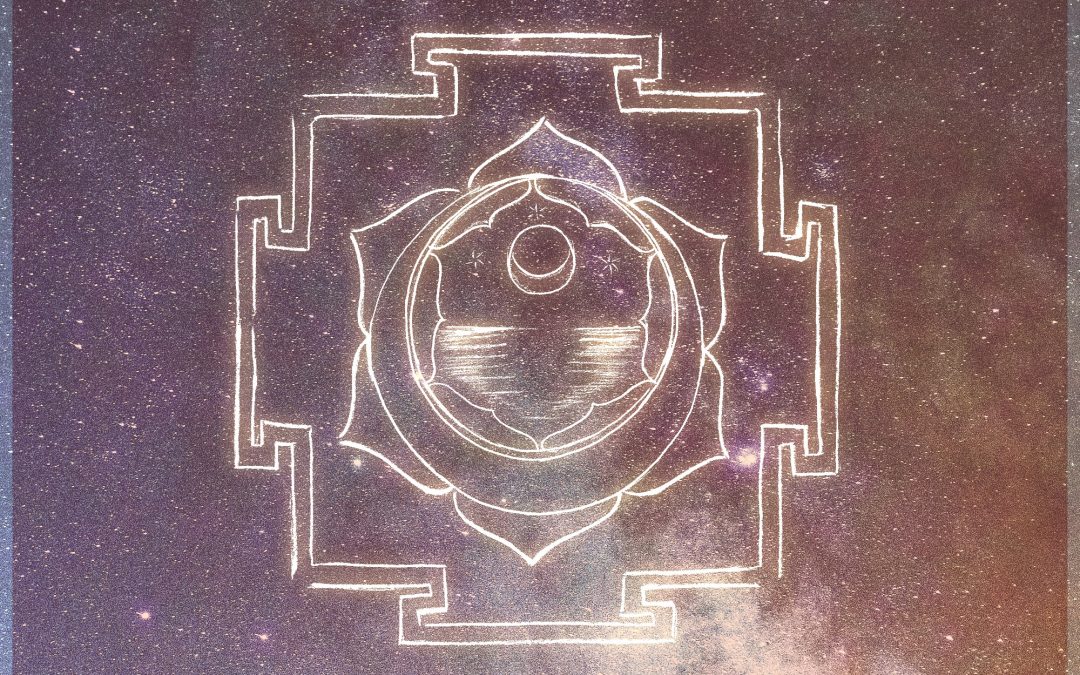
There is another lotus, situated within the suṣumnā at the base of the genitals, of a beautiful scarlet color.
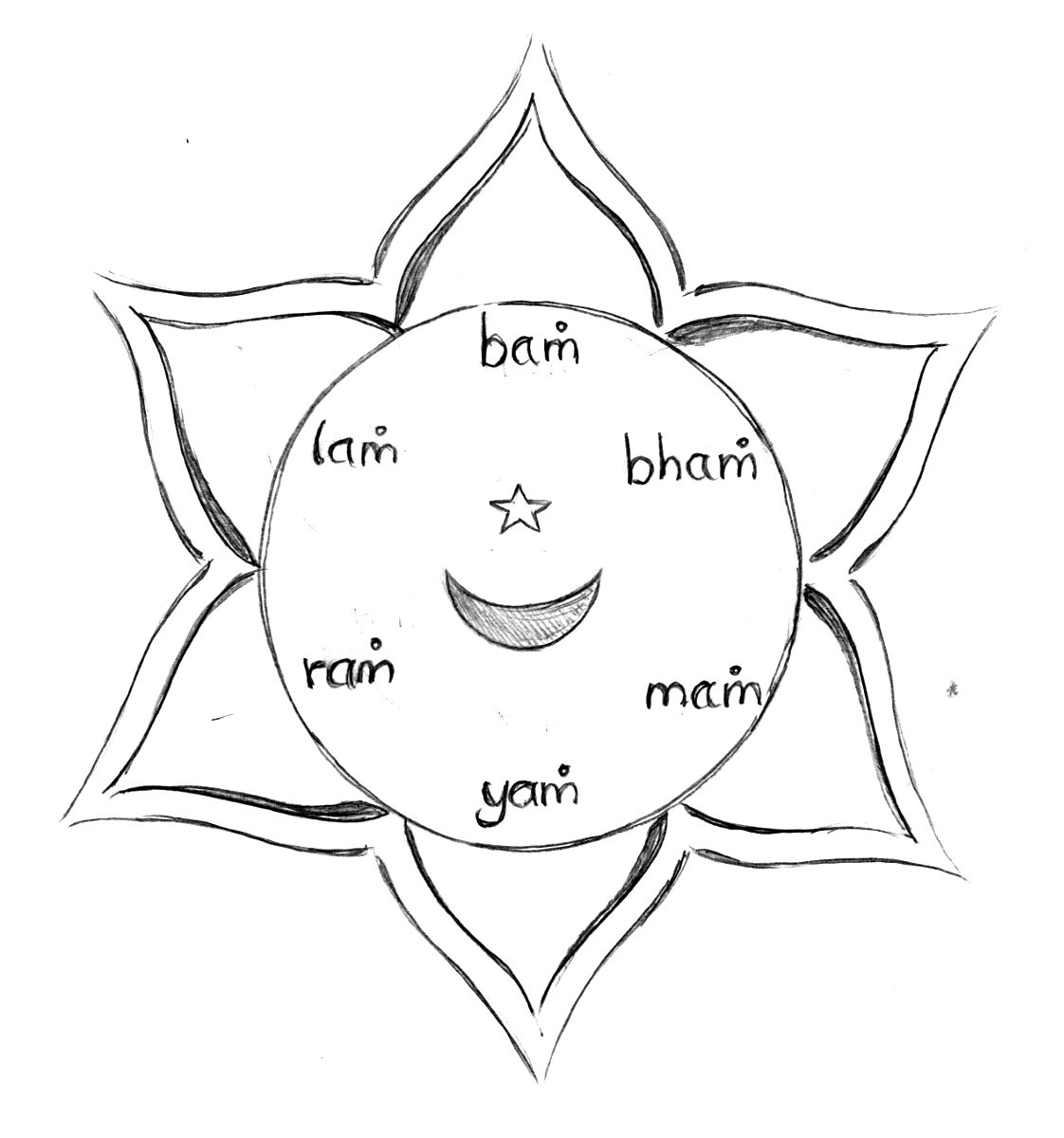
On its six petals are the syllables Ba, Bha, Ma, Ya, Ra, and La, each with a bindu above it, in the brilliant color of lightning.
Ṣaṭ-Cakra-Nirūpaṇa
THE SEAT OF DESIRE
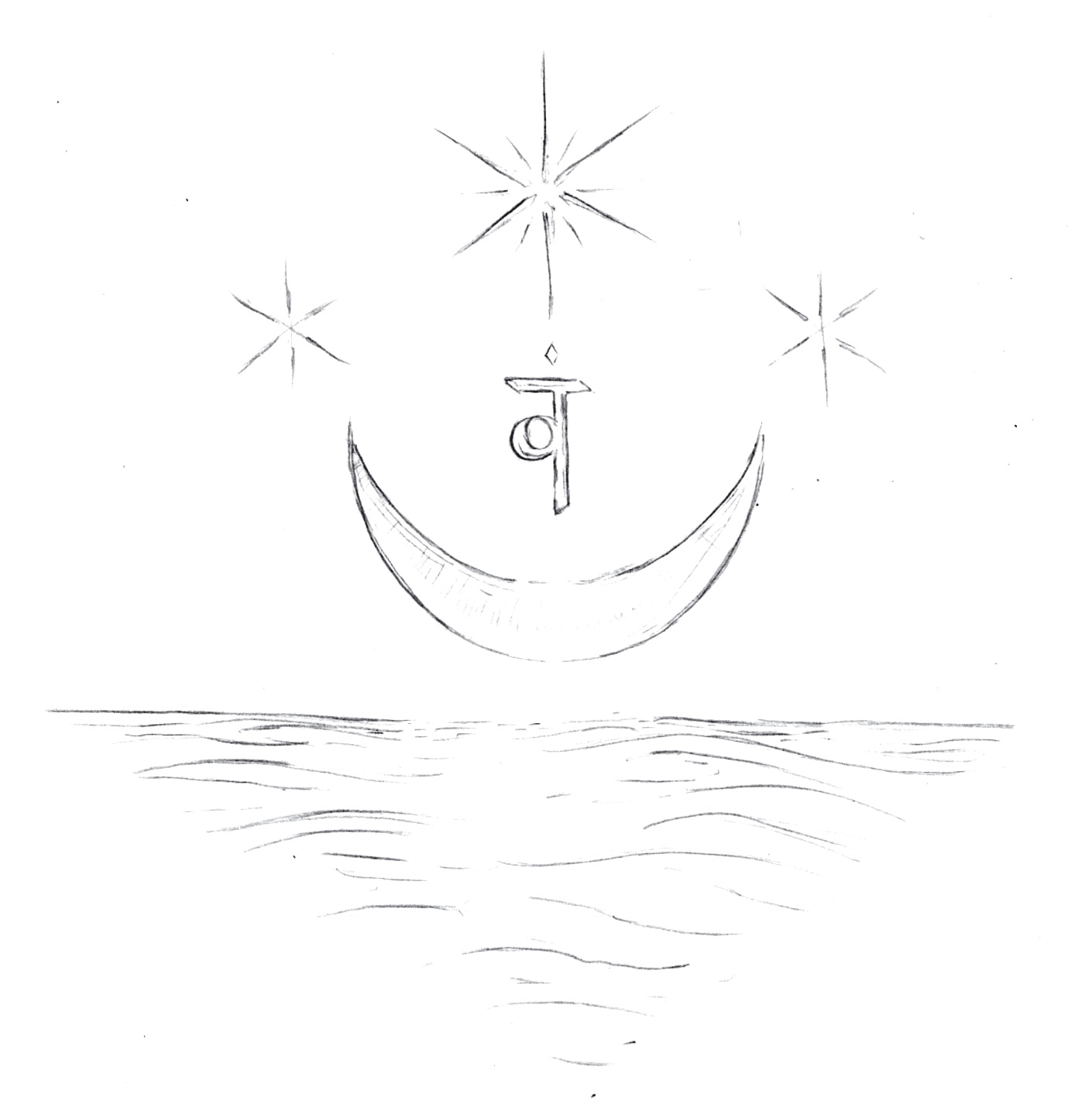
Svādhiṣṭhāna is the gateway to the world of dreams, where a vast ocean surges, from which our passions arise. It is the awakening from the deep night of dreamless sleep in which the Self was enveloped in the mūlādhāra. Here, the dream reigns, and the darkness of the mūlādhāra is pierced by the light of the crescent moon.
The soft light of the moon glistens on the waves of the ocean of our passions. Mesmerized, we gaze at the water, walk along the beach, and catch our dreams. Each wave washes what lies deep within onto the shores of the outer world. From the spray, the terrifying and the ecstatic rise up. Svādhiṣṭhāna is the infinite sweetness of dreams, the eternal play of children in the garden of perfect innocence—fragile, painful, and yet beautiful.
Svādhiṣṭhāna translates as “one’s own abode” and is the cradle from which our dreams and emotions spring. It embodies the dream state (svapna) and makes reality seem like a dream, full of passion, pain, and joy. These feelings, whether positive or negative in nature, merge with us and shape the “flavor” of our self-experience.
Svādhiṣṭhāna is therefore the seat of the Self, since the Self takes shape through its emotional states even before the mind can form a conceptual identity. Prāṇa is the universal vehicle of experience; it conveys the qualities of what we experience and enriches the universe and our being. Svādhiṣṭhāna is the seat of prāṇa and thus the seat of prāṇāmaya kośa, the vital sheath.
As mentioned in the Taittirīya Upaniṣad (II–2–1), prāṇa is not merely vitality, but the very soul of the physical body, which breathes life into inanimate matter. When prāṇa flows, life exists; when it withdraws, life decays.
The dance of prāṇa is characterized by movement, growth, and decay. Creation and procreation are its creative expressions. However, the power of creation must always dance with death, with which it is inextricably intertwined. This dance propels life forward—toward procreation, sexual desire, and ultimately decay.
In the maelstrom of these passions, the world appears like a dream; through the lens of subjective feelings, the reality of things becomes invisible. This distortion of truth is called ignorance and is the most important characteristic of the svādhiṣṭhāna chakra, the seat of fundamental ignorance or illusion (avidyā).
The distortion of truth in svādhiṣṭhāna leads to the nurturing of self-destructive forces such as lust, greed, delusion, pride, envy, and selfishness, all of which thrive in the shadow of unrecognized passions. According to Pūrṇānanda’s Ṣaṭ-Cakra-Nirūpaṇa, this dream-like state of the self is transcended through careful self-observation—or, in other words, through the practice of cultivating mindfulness.
Through meditation (mindfulness) on our motives, the impulses hidden within them are brought into the light of consciousness and dissolved in that light. In this way, the second aspect of the awakening of universal creative power (kriyāśakti) lies hidden within svādhiṣṭhāna: svadhyaya—the cultivation of mindfulness (self-study).
When svadhyaya is cultivated, our enemies—who lurk in the shadows of our perception—are transformed into forces that empower us to act. The makara, the mystical monster of the seas that wreaks havoc in our inner waters, then becomes a dancing dragon, a bringer of good fortune and freedom.
The difference between those aspects of ourselves that hold us captive and those that set us free often lies simply in the fact that we are aware of the former but not the latter. Svadhyaya brings these shadows into consciousness and transforms the murky waters of the dream state into a fertile source of emotional strength, life, and a new beginning.
Whoever meditates on this flawless lotus, known as svādhiṣṭhāna, is immediately freed from all his enemies, such as desire, greed, delusion, pride, envy, and selfishness.
He becomes a master among yogis and is like the sun that illuminates the dense darkness of ignorance. The richness of his nectar-like words flows in prose and verse through well-reasoned discussions.
Ṣaṭ-Cakra-Nirūpaṇa (18)
FEATURES
Balanced:
Vitality, refined awareness and insight, strong immune system. Sexual potency. Deep, charismatic, and energetic. Balanced emotions and emotional resilience.
Unbalanced:
Weak immune system, physical illnesses, confusion, sexual perversions. Strong emotional reactions. Lack of emotional strength, dependence. Irresponsibility, inability to cope with hostile environments. Exhaustion.
Meaning: Headquarters
Mantra: Oṃ samudrai namaḥ
Element bīja: Vaṃ, water (āpas)
An aspect of kriyāśakti: Svadhyaya – Cultivating Mindfulness (Self-Study)
Age: 7–14 years Anatomy: It is located in the center of the pelvis. The Bihar School of Yoga describes its temple (kṣētraṁ) as being four finger-widths below the navel. Others say it is the pubic bone.
Symbolism: A lotus with six petals, a silver crescent moon
Exercise for the Sacral Chakra
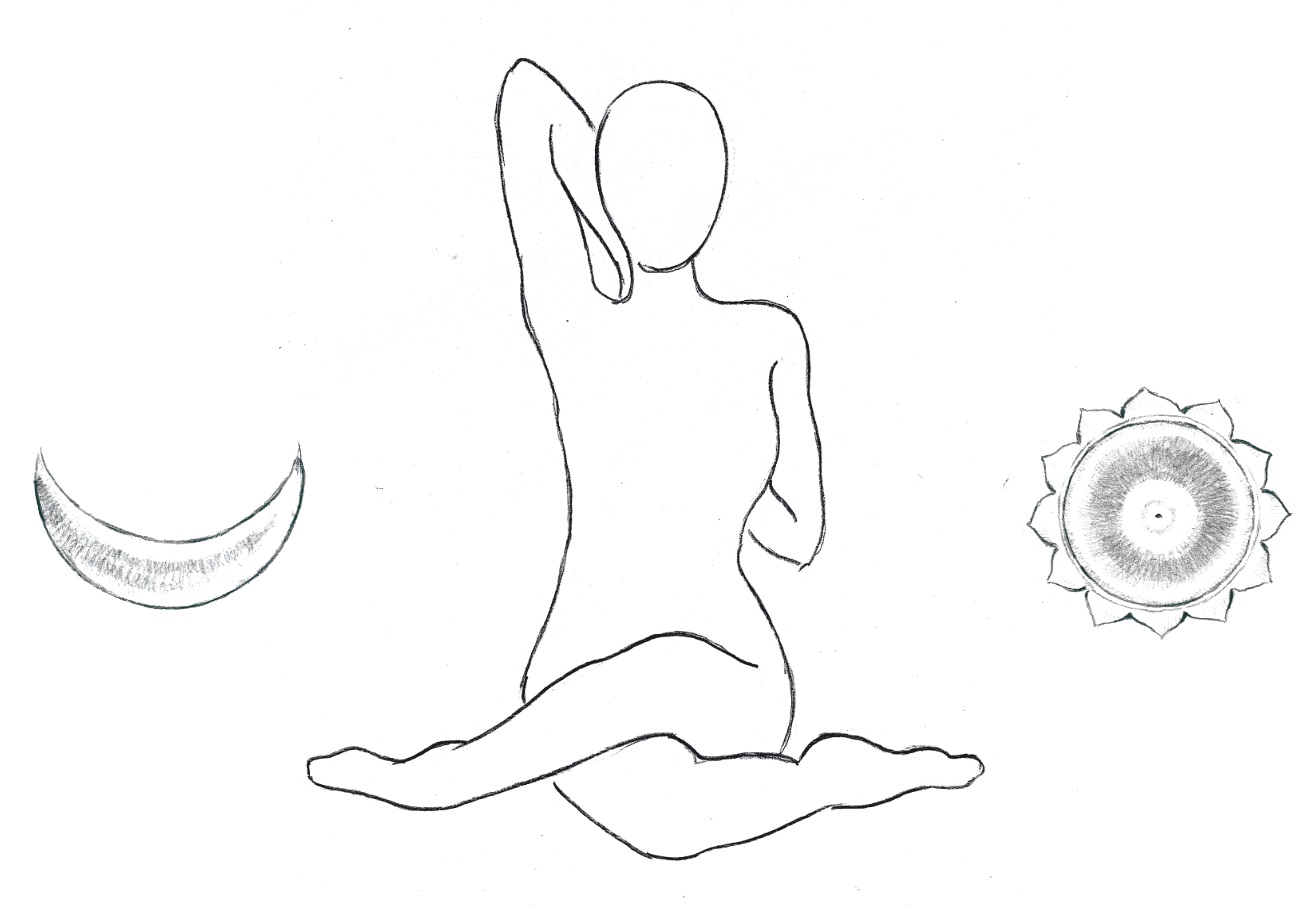
Here in our download section, you'll find the "Svadhistana Kriya" exercise. This exercise is a way to honor and awaken the energy of the sacral chakra.
All the exercises are hand-illustrated and lovingly designed. They will enrich and deepen your yoga practice. Come join us and practice with us! All the best!

Learn more about the chakras here
A journey through the chakras is a journey to yourself.
In this book, we also explore the roots of Kundalini Yoga and yogic anatomy, and we discover the secrets of the koshas, prana, and the Trinity of the Goddess.
These profound practices, visions and insights into yogic anatomy and chakras will inspire and enrich any yoga practice.

More Articles Weekly
We'll be posting new articles every week on the individual chakras, the koshas, and topics in yogic philosophy. Stop by or send us an email so I can add you to our newsletter mailing list.
Any questions? Just write to us!
In der Ausbildung vertiefen wir das
Die Chakren sind ein Kernthema unserer RYT® 200h Yogalehrer-Ausbildung in der Wachau. Wer bereits unterrichtet, geht in der RYT® 300h Ausbildung tiefer – oder besucht den YACEP® Chakra-Workshop.
Blog