THE TRINITY
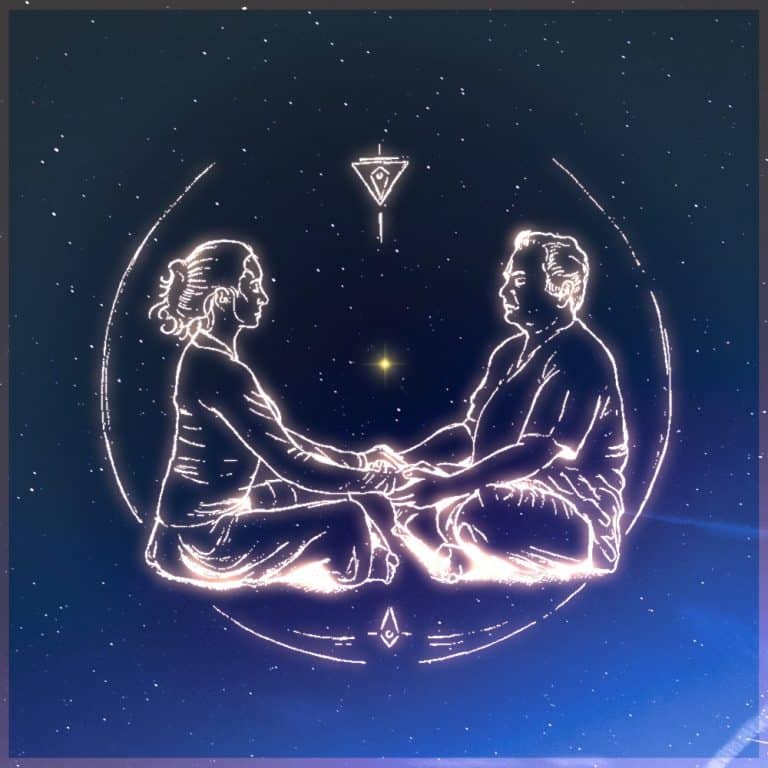
The triune goddess creates the threefold world in a single, fleeting moment.
O Lord of the Gods, the three gods—Brahmā, Viṣṇu, and Rudra—and the three sacred thrones are created together in the place where the one Lady of the Gods dwells through her threefold nature.
She created this entire universe of animate and inanimate things. She brings about the manifestation and dissolution of all things, solely for the pleasure of the play of being. She creates the threefold universe, the incredible City of the Triangle.
Manthāna Bhairava Tantra (35:14cd-16-17)
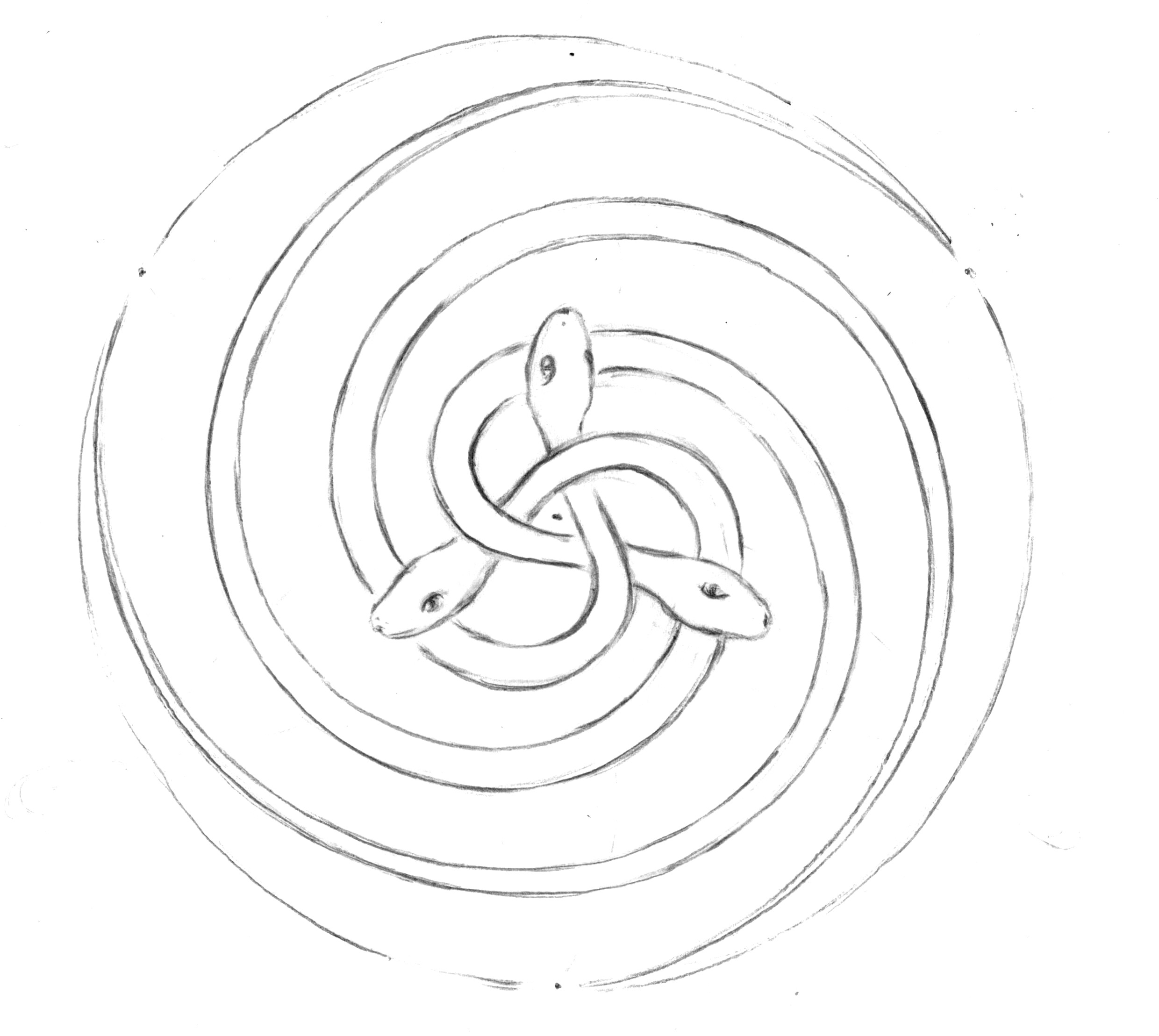
PARĀ, PARĀPARĀ, AND APARĀ
Manifestation
In yogic philosophy, the world is viewed as a manifestation of unchanging and eternal principles. These universal principles exist in their highest form beyond all manifestation. As soon as they enter the process of manifestation, they take on form and come into existence; yet, at the very same moment, this process robs them of their eternal nature.
For example, Śiva and Śakti are seen as the two forces that give rise to the universe and its trinity. They are consciousness and its creative power. Their union brings about the birth of all things.
The duality of life—as seen in men and women, who, through the interplay of their natures, give rise to humanity—is an expression of these universal creative forces. We also find this duality in the interplay of the sun and the moon, day and night, and life and death.
That which is the very essence of all beings and which itself always remains formless is called parā, while that which manifests itself is called aparā. These two aspects can be understood as the Pure (parā) and the Impure (aparā).
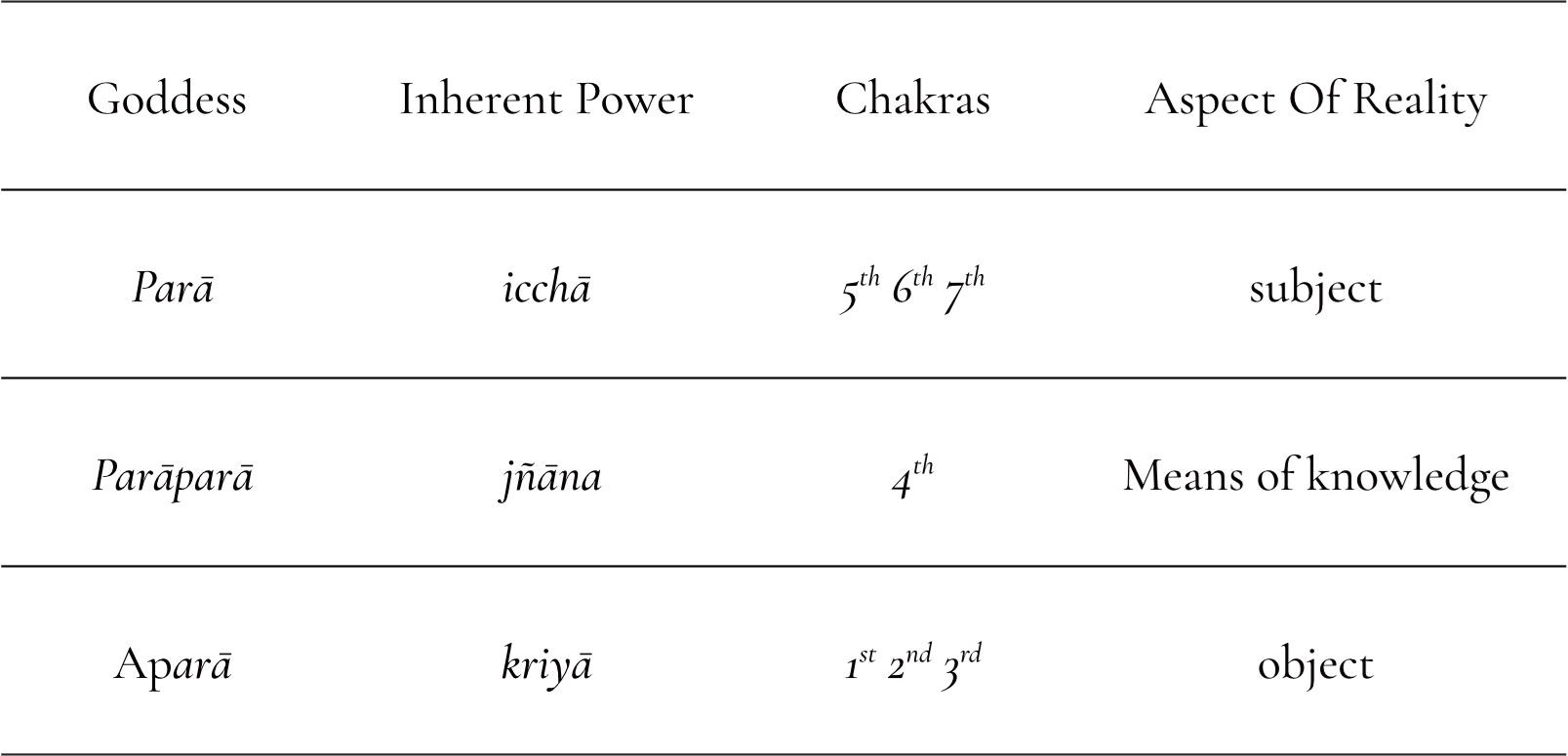
Parā is the will to be (icchā śakti) and, in essence, the Self.
Aparā, on the other hand, is the power that creates the manifested world, the power that makes expression possible, and it is at the source of every action (kriyā śakti).
In line with this understanding, the lower chakras are referred to as aparā, for they are the places where consciousness is bound to the finite. At the same time, they are the places from which action arises and through which self-awareness is made possible.
The higher chakras are regarded as parā, since they are the seat of the consciousness that corresponds to the quest for self-knowledge and liberation. In between lies the heart, the goddess Parāparā, who serves as a bridge between the higher and the lower and represents the power of knowledge (jñāna śakti).
Jñāna is the knowledge that can grasp the true nature of things.
This cosmic dance, which is also reflected within the individual, is the interplay of these three fundamental forces that give rise to all of existence, extending beyond the individual.
These three forces also constitute the Trinity that nearly all spiritual traditions have sought throughout the centuries. The Christian tradition, for example, views the world as permeated by the Holy Spirit, the Father, and the Son. Here, the Holy Spirit represents the unmanifested source of being; the Father is the Law and thus the knowledge of truth; and the Son is the embodiment, the power of action, and, ultimately, the experience of God in person.
This trinity is also reflected in the trinity of Brahmā, Viṣṇu, and Śiva: creation, preservation, and unmanifested destruction. It symbolizes the trinity behind will, knowledge, and action—or subject (parā), object (aparā), and means of cognition (parāparā).
The Trinity of Consciousness
The individual self exists on the level of aparā, since that is where the forces of action and self-realization operate. The individual is therefore that aspect of our cosmic self that is sustained by kriyā śakti, the power of action. On this level, the individual self, in turn, manifests in a threefold nature.
The world, much like a hologram, seems to reflect the greater within the smaller. These three components of kriyā śakti are fundamental aspects of human nature from which individual perception and shaping of the world arise—they are three states of human consciousness.
These three states of consciousness that constitute human experience are wakefulness, dreaming, and deep sleep (jāgrat, svapna, suṣupta).
The interplay of these fundamental aspects of consciousness creates the everyday mental state of our being. The interpenetration of these three states forms the foundation of our human self and our actions. The state of consciousness that enables insight into the actual truth of “what is” is a further, fourth state of consciousness.
This fourth state is called turya. In this state, consciousness rises from the lower three chakras to the heart, where it can come into contact with what actually is. Turya, unlike the other three states of consciousness, is therefore the bridge to reality and, at the same time, the meditative state of the mind.
KRIYĀ OR APARĀ ŚAKTI
I bow to the goddess (Aparā), who dwells within Bhairava’s dancing form and plays within him like a flash of lightning against a sky covered with thick storm clouds.
Tantrāloka (Dr. Mark S. G. Dyczkowski)
When we look at the lower three chakras, we see that together they encompass the forces of action: body, vitality, and mind.
These forces of action are governed by the three states of consciousness that encompass human life.
Suṣupti
Mūlādhāra, the first and lowest chakra, contains that aspect of the power of action which is complete immersion and fusion with the physical body.
This state corresponds to the deep sleep of consciousness—Suṣupti. Just as the body itself appears as unconscious matter that is nonetheless permeated by Being, so too, in the state of deep sleep, conscious Being merges completely with unconscious matter. This is where embodiment takes place, and in this way the foundation for every action is laid.
Svapna
The second chakra holds the power of the dream state—Svapna—in which the self exists in the form of desires and dreams. In the dream state, the Self clings to what is pleasant and flees from what is painful. In this state, the Self lacks conscious, deliberate will or control over its own actions.
And yet, it is in these dreams that the treasure of our creative impulses lies hidden; it is here that the world and its dance are dreamed into existence. Svādhiṣṭhāna is the seat of the body of prāṇā, from which life springs forth and fertilizes the world.
Jāgrat
The third aspect of kriyā śakti is the maṇipūra chakra, which is obscured by the storm clouds of one’s own thoughts—it is the seat of the mind. Maṇipūra represents the awakened state of the Self—Jāgrat.
Here, the individual forms ideas about themselves, the future, and the past, and creates their identity. This chakra is therefore the seat of the personality, since an identity can be formed through the images of the mind. However, it is also the place where the goals for our spiritual growth can be formed and set.
Turya
Once these three chakras and their powers have been awakened, they can unite in a meditative state, and the self, with all its passions, can be guided into the heart.
When the heart is reached in the stillness of contemplation, Kuṇḍalinī can be awakened in the form of a flash of lightning, and the path to heaven is clear.
JÑĀNA OR PARĀPARĀ ŚAKTI
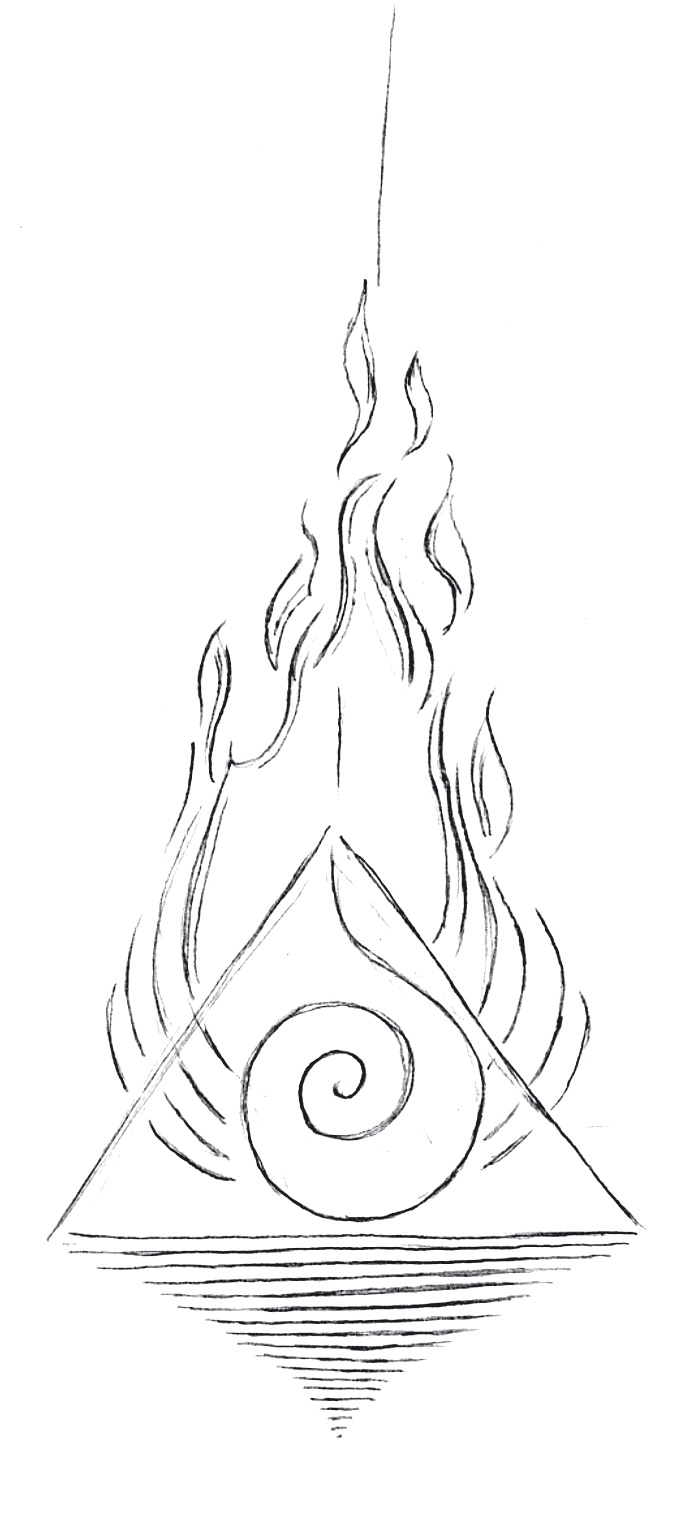
May Parāparā, the vibrant, radiant pinnacle of knowledge, who has burned away the threefold bondage with her blazing rays of light, have the power to uproot everything that runs counter to the truth.
Tantrāloka (Dr. Mark S. G. Dyczkowski)
The heart is the seat of Parāparā Śakti, that power which mediates between the supreme parā and the finite aparā, much like the soul, which stands between the earthly and the divine and brings both into harmony through the heart’s decisions.
Parāparā embodies the power of insight, jñāna śakti.
This power holds the key to distinguishing between truth and falsehood. In this way, Parāparā burns away the illusions created by the mind.
Parāparā is the knowledge that lies beyond the conceptual. How do we know what is good or true? We know it because the heart recognizes it and shows us the way, even when there are no words to describe it.
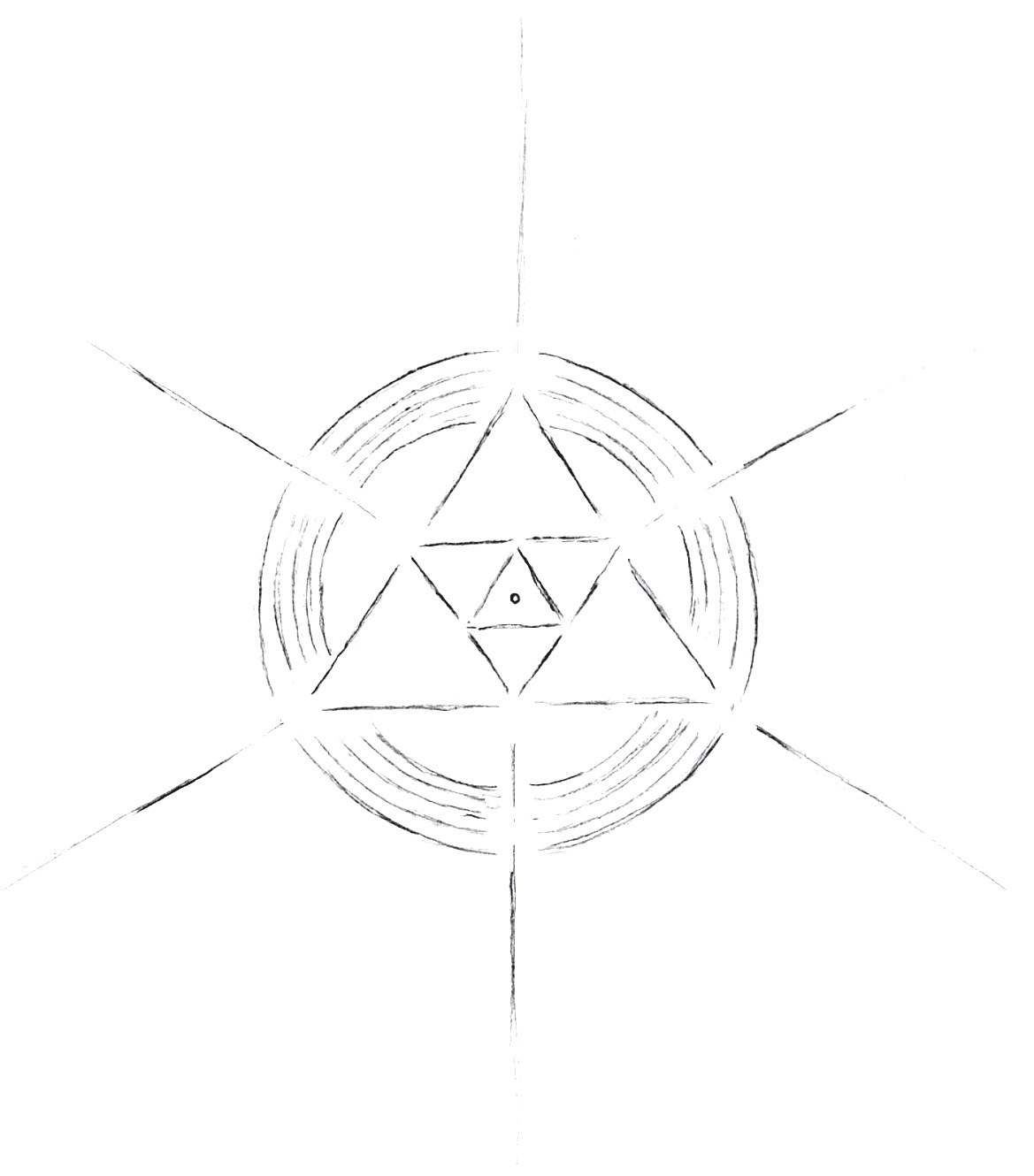
ICCHĀ OR PARĀ ŚAKTI
I bow to Parā, the creative intuition of consciousness. United with Bhairava, she takes her place atop the lotuses of the Trika trident, whose prongs are the aspects of perception, subject, object, and means of knowledge.
Tantrāloka (Dr. Mark S. G. Dyczkowski)
When the heart has burned away the threefold bondage of illusion, one enters the world ruled by the great power of icchā śakti. This entry is understood as the meditative state of mind in which the heavens open to “What Is” and the mystery of existence is revealed.
It is said that the activity of the higher chakras reflects the functions of the lower chakras. In this sense, icchā śakti — just like kriyā śakti— is also divided into three aspects. Each of the upper three centers then reflects a transformed and eternal aspect of one of the lower three chakras.
Viśuddha Chakra
The spirit dwelling within the maṇipūra strives for dominance, for victory over obstacles, and thus for power over the world.
In contrast, the fifth chakra, Viśuddha, means gaining power over the world through power over oneself. Ultimately, there is only one true adversary, who lies within, and no external victory can grant us power over this inner adversary.
Viśuddha represents abundance, fulfillment, strength, and serenity of one’s own being. It is the first aspect of icchā śakti, the energy of transformation of the maṇipūra. Viśuddha is the cosmic nectar—often symbolized as a drop—that is experienced when the mind fully embraces the beauty of reality, beyond all fear.
Isn't it often the case that the mind denies us the pleasure of the world precisely because of its beauty? The more beautiful something is, the greater the fear of losing it.
Only a transformed mind can endure this beauty that transcends all boundaries. This transformed mind is Mahā Kālī, the great and eternal cosmic fire.
ājñā Chakra
The Svādhiṣṭhāna Chakra is the seat of the creative impulse, as well as of attachment to pleasure and the simultaneous aversion to pain. The pure form of this creative impulse must therefore be eternal creation and boundless joy. These qualities of ecstasy are embodied in the ājñā Chakra, the point where the two streams of life meet, symbolizing the forces of cosmic creation.
The second aspect of icchā śakti is thus ājñā, the transformed eternal water. This power is symbolized by the goddess Mahā Lakṣmī, the supreme and never-ending abundance.
Sahasrara Chakra
Sahasrāra is the final aspect of icchā śakti. It is the seat of formless and timeless existence, which, because it has no form, knows no end and is therefore immortal.
This chakra is the transformed state of mūlādhāra, which represents limited existence in form—an existence that, because it is bound by form and time, is mortal and impermanent.
Isn't samādhi—the state that the sages of the East describe as the fully awakened state of sahasrāra—essentially the stillness of deep sleep, but in a state of complete awakening?
Doesn't that mean that life as experienced from the consciousness of the mūlādhāra resembles samādhi, but without insight into its unbound beauty?
Perhaps we go through life only to return to the beginning of the journey with fresh eyes and finally rediscover the true essence of the old places.
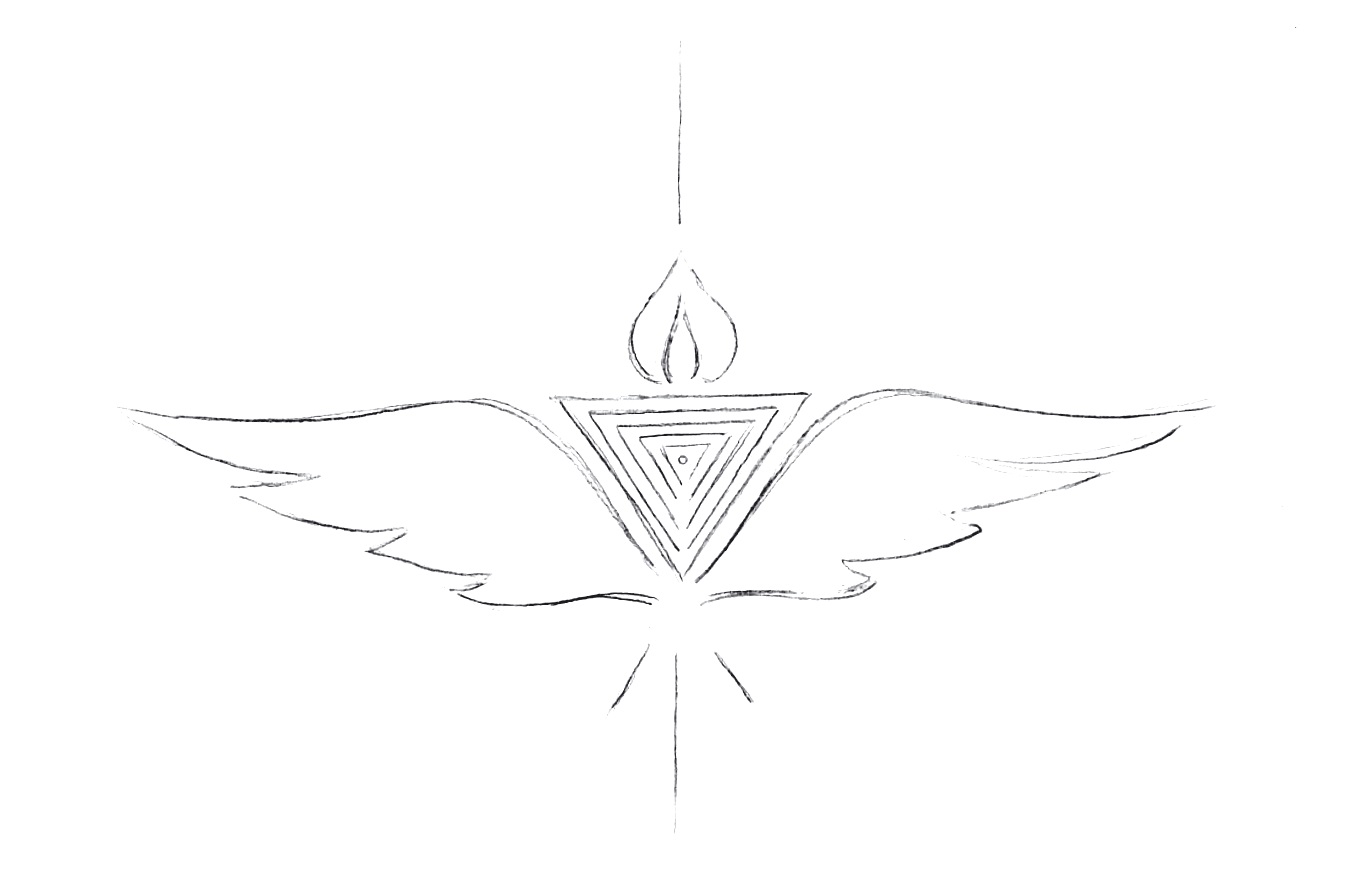
THE TRANSFORMATION
Taking the above into consideration, the purpose of Kuṇḍalinī Yoga is to activate the energies of the lower chakras, which are governed by aparā, and to transform them into their higher forms, parā.
This process of transformation occurs naturally when the heart is recognized as the gateway from the immanent to the transcendent, and one practices in this way from the heart.
When the mind and body are purified through the power of yoga practice, the qualities of the higher chakras can be developed. All the fundamental practices of Hatha Yoga—such as āsana, prāṇāyāma, and dhāraṇā —are essentially based on this principle.
Āsana, Prāṇāyāma, Dhāraṇā
The practice of āsana focuses on the transformation of the mūlādhāra chakra and the deep state of sleep within it. Through āsana, the body is purified, which simultaneously enables freedom from physical limitations.
Prāṇāyāma purifies the svādhiṣṭhāna chakra, the dream state of consciousness, and enables the yogi to be free from illness and destructive passions.
Dhāraṇā purifies the maṇipūra chakra, the waking state of the mind, and leads to mastery of the mind through the clarification of thoughts.
Swami-ji once told me:
The higher chakras, Parā, are like the summit of a mountain, frozen in ice. When the fire of the lower centers burns strongly because they have been purified, the ice can melt and their awakening can occur.
Svāmī-jī Vidyānand
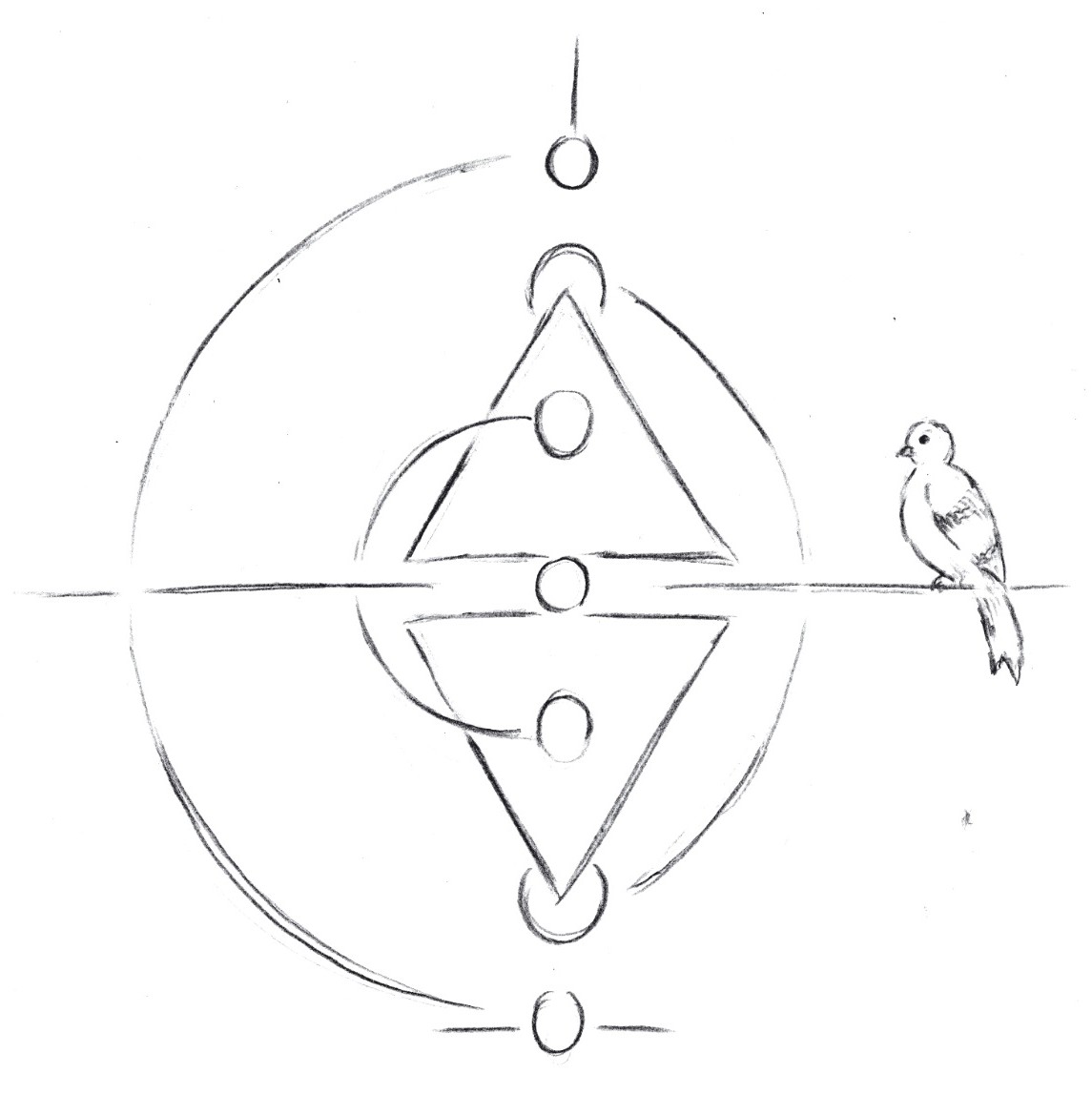
Learn more about the chakras here
A journey through the chakras is a journey to yourself.
In this book, we also explore the roots of Kundalini Yoga and yogic anatomy, and we discover the secrets of the koshas, prana, and the Trinity of the Goddess.
These profound practices, visions and insights into yogic anatomy and chakras will inspire and enrich any yoga practice.

More Articles Weekly
We'll be posting new articles every week on the individual chakras, the koshas, and topics in yogic philosophy. Stop by or send us an email so I can add you to our newsletter mailing list.
Any questions? Just write to us!
In der Ausbildung vertiefen wir das
Die Chakren sind ein Kernthema unserer RYT® 200h Yogalehrer-Ausbildung in der Wachau. Wer bereits unterrichtet, geht in der RYT® 300h Ausbildung tiefer – oder besucht den YACEP® Chakra-Workshop.
Blog