MŪLĀDHĀRA Chakra
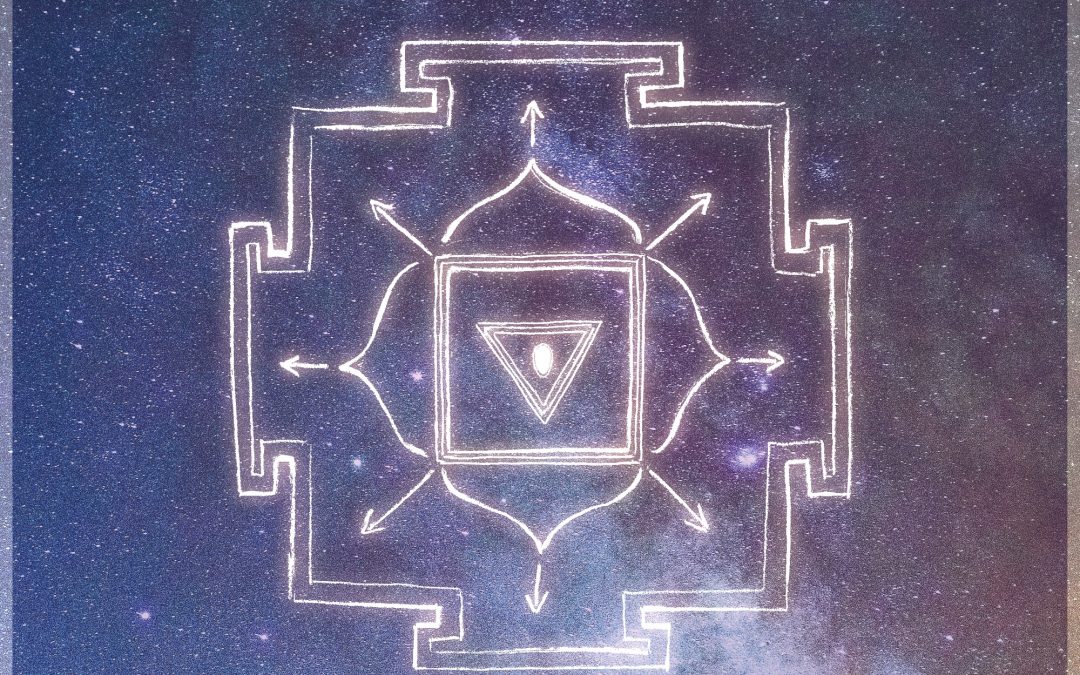
Now we come to the adhara lotus. It is attached to the mouth of the suṣumnā and is located below the genitals and above the anus.
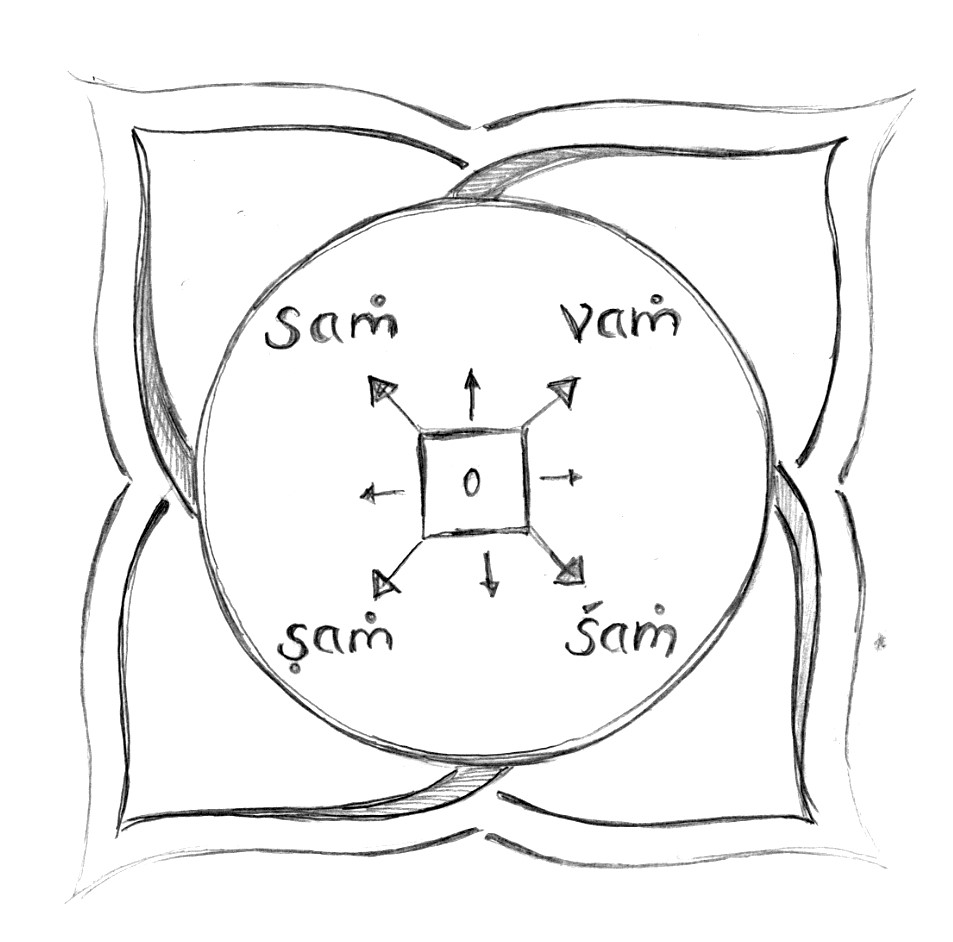
It has four purple petals. Its head (opening) faces downward. The four syllables from Va to Sa are inscribed in shiny gold on its petals.
Within this lotus lies the Square of the Earth, surrounded by eight shining spears. It is a brilliant yellow color and as beautiful as a flash of lightning, just like the bīja of dhāra (Laṃ) that shines within it.
Ṣaṭ-Cakra-Nirūpaṇa
THE PLACE WHERE IT ALL BEGAN
The mūlādhāra chakra is the seat of the power that forms the foundation of existence.
It is the gateway to embodiment and, at the same time, to the limitations of being. Here Kuṇḍalinī rests, coiled within itself and asleep, ready to awaken.
Tantra teaches that the union of the three states of consciousness—waking, dreaming, and deep sleep (jāgrat, svapna, suṣupta) —ignites the fire of the Kuṇḍalinī, which ultimately leads to the awakening of the fourth state of consciousness, turīya.
Of these three states, mūlādhāra represents the deep sleep of consciousness, in which the Self is completely immersed in the material world. In deep sleep, suṣupta, consciousness is shrouded in darkness and has no insight into the true nature of things.
This darkness, however, is not without acceptance—it is complete surrender to what is, even if it means limitation. Therefore, this state of being is similar to the supreme bliss of samādhi, yet without the light of consciousness and thus without the realization of it.
Mūlādhāra is thus the deepest, innermost, and most unconscious center—the seat of matter itself, the foundation of all physical and bodily existence, and therefore the anamaya kośa—the physical sheath. Within the trinity of will, knowledge, and action, the physical body is the seat of the first aspect of the power of action (kriyāśakti).
Every action must first be anchored in the body; from there, it makes its way through space and time and shapes the experiences of the self.
The full unfolding of this universal power of action requires the unification of its three components, which correspond to the states of consciousness mentioned and the first three chakras.
The goal of all yogic efforts is to awaken these three aspects in the lower centers and raise their energy to the heart.
The first aspect of kriyāśakti that must be awakened in the mūlādhāra is tapas—the heat or fiery passion for growth, love for the practice, unwavering discipline, and devotion to the power. This aspect of heat, which can overcome the tamasic darkness of the mūlādhāra, marks the first step in the ascent of the Kuṇḍalinī.
Tapas, which is of central importance in yoga, is mentioned right at the beginning of the second chapter of the Yoga Sutras. It is the path to purifying the body and awakening the radiant mūlādhāra.
Yoga of Action (Kriya Yoga) has three components:
Tapas—heat or intense discipline,
Svadhyaya – refinement (self-study),
Ishvara Pranidhana – devotion to God.
Since intense discipline burns away impurities,
the body and its senses become extremely refined.
Pātañjala's Yoga Sutras II (1.43)
FEATURES
Balanced:
A strong, well-built body. Discipline, clear thinking, and good sleep. Easy and healthy elimination. Simple, straightforward thinking; avoiding unproductive thoughts and unnecessary actions. Acceptance of existence and its limitations, as well as its inherent suffering. A sense of security. Fearlessness even in the face of the horrors of existence.
Unbalanced:
Obesity, signs of physical impurity. Difficulty establishing eating, work, and sleep routines. Restless sleep and lethargy. Unnecessary physical movements. Fear of death. Physical weakness.
Meaning: Root, Support
Mantra: Oṃ pṛthvī namaḥ
Element bīja: Laṃ, Earth
Aspect of kriyāśakti: Tapas—heat, intense discipline
Age: 0–7 years
Anatomy: The lower end of the suṣumnā. For women—at the cervix, the inner end of the vagina. For men—halfway between the anus and the genitals, on the perineum.
Symbolism: A four-petaled lotus, a yellow square
Exercise for the Root Chakra
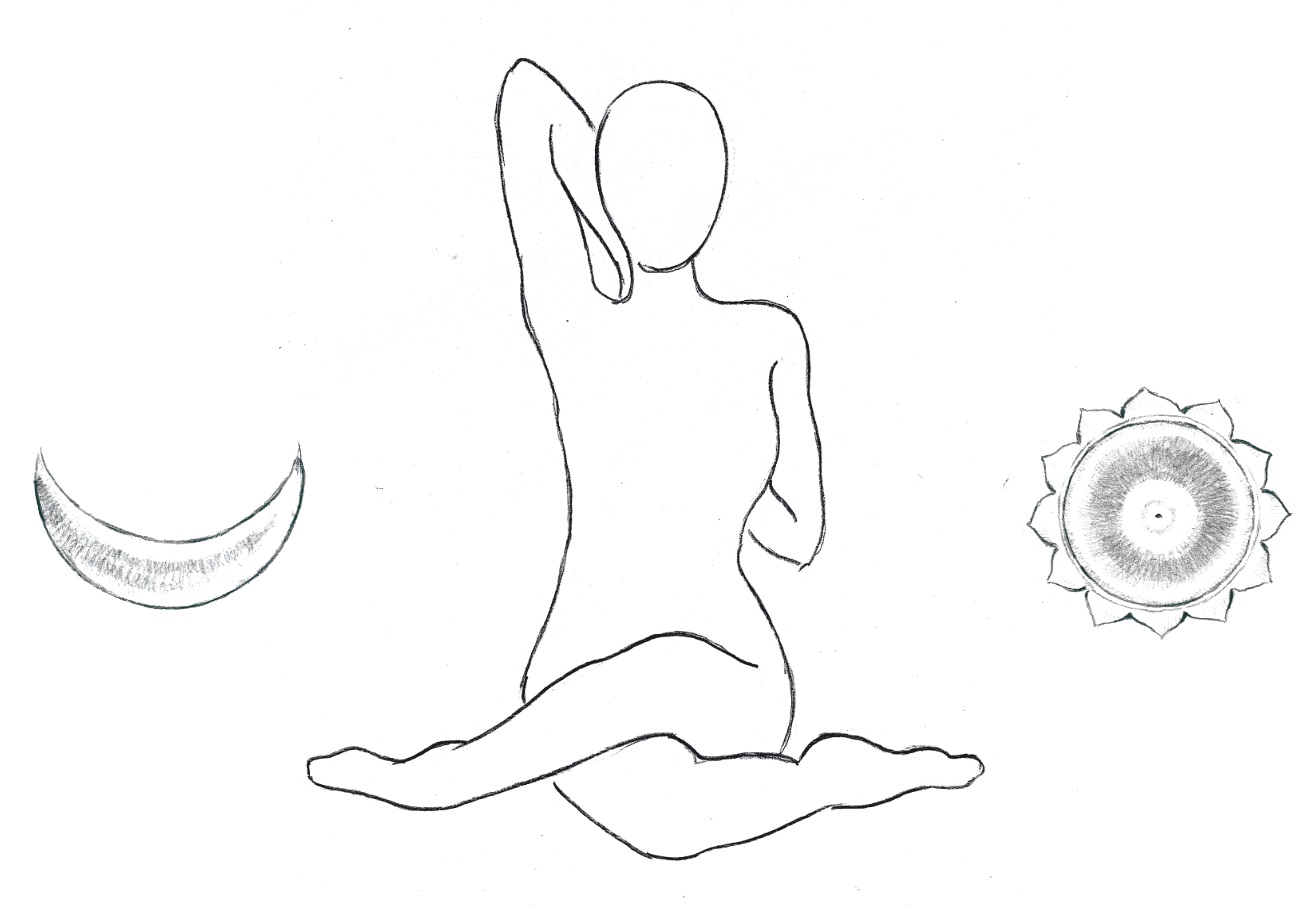
Here in our download section, you'll find the "Muladhara Kriya" exercise. This exercise is a way to honor and awaken the energy of the root chakra.
All the exercises are hand-illustrated and lovingly designed. They will enrich and deepen your yoga practice. Come join us and practice with us! All the best!

Learn more about the chakras here
A journey through the chakras is a journey to yourself.
In this book, we also explore the roots of Kundalini Yoga and yogic anatomy, and we discover the secrets of the koshas, prana, and the Trinity of the Goddess.
These profound practices, visions and insights into yogic anatomy and chakras will inspire and enrich any yoga practice.

More Articles Weekly
We'll be posting new articles every week on the individual chakras, the koshas, and topics in yogic philosophy. Stop by or send us an email so I can add you to our newsletter mailing list.
Any questions? Just write to us!
In der Ausbildung vertiefen wir das
Die Chakren sind ein Kernthema unserer RYT® 200h Yogalehrer-Ausbildung in der Wachau. Wer bereits unterrichtet, geht in der RYT® 300h Ausbildung tiefer – oder besucht den YACEP® Chakra-Workshop.
Blog