
Matsya Yoga · Knowledge
Matsya Yoga Blog
Welcome to our blog – about us, life, yoga and philosophy
Inspiration and news from the Wachau

The Moon Salutation in Kundalini Yoga
Candranamaskāra – the moon salutation in Kundalini Yoga “Candra” means moon, “namaskāra” means greeting or worship. The light of the moon is a reflection of the sun – just as our spirit, our ego, and our mind are mirrors of eternal consciousness. In this sense, the…
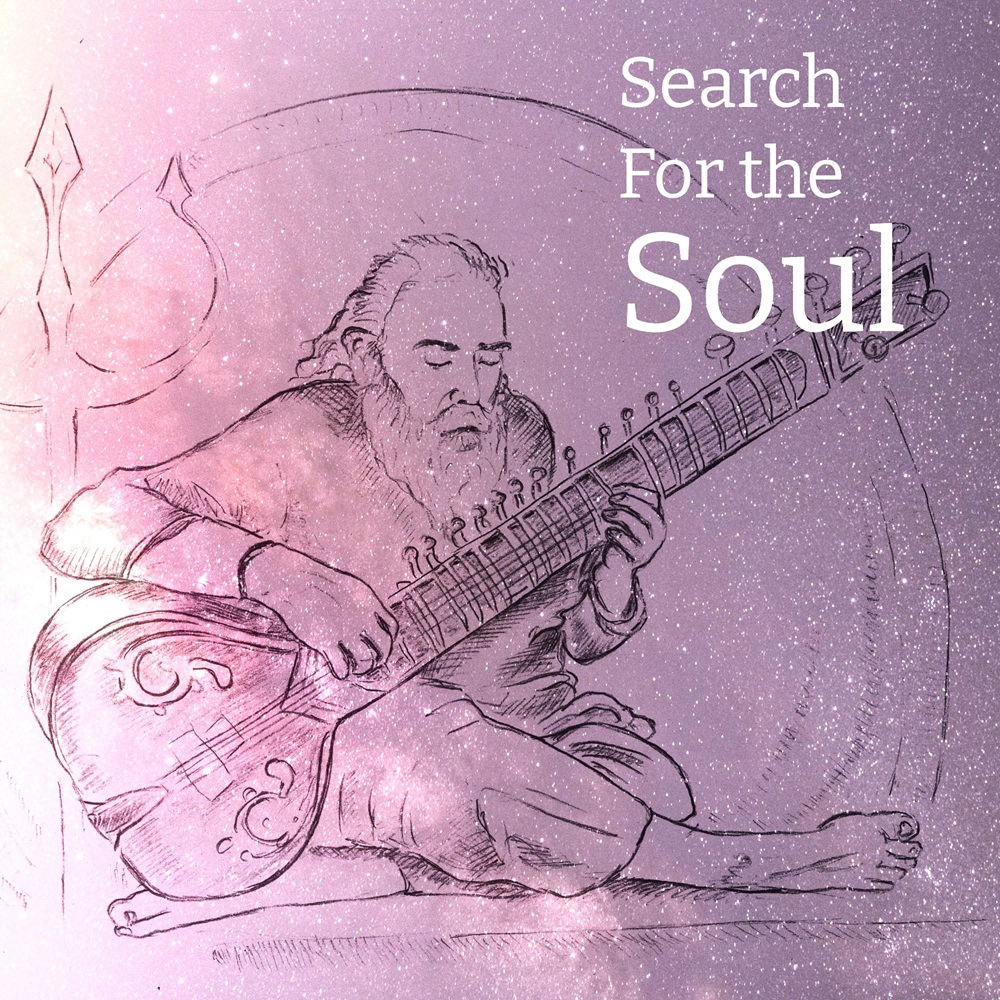
Our Teacher Mark Dyczkowski
Markiji is of particular importance to our school, as he was one of the few scholars who truly understood and was able to convey tantric meditation as we teach it. Our courses on Vijñāna Bhairava Tantra build significantly on his findings and insights. Markiji opened the soul of the Para for us and initiated us into a deep understanding of Trika Tantra.
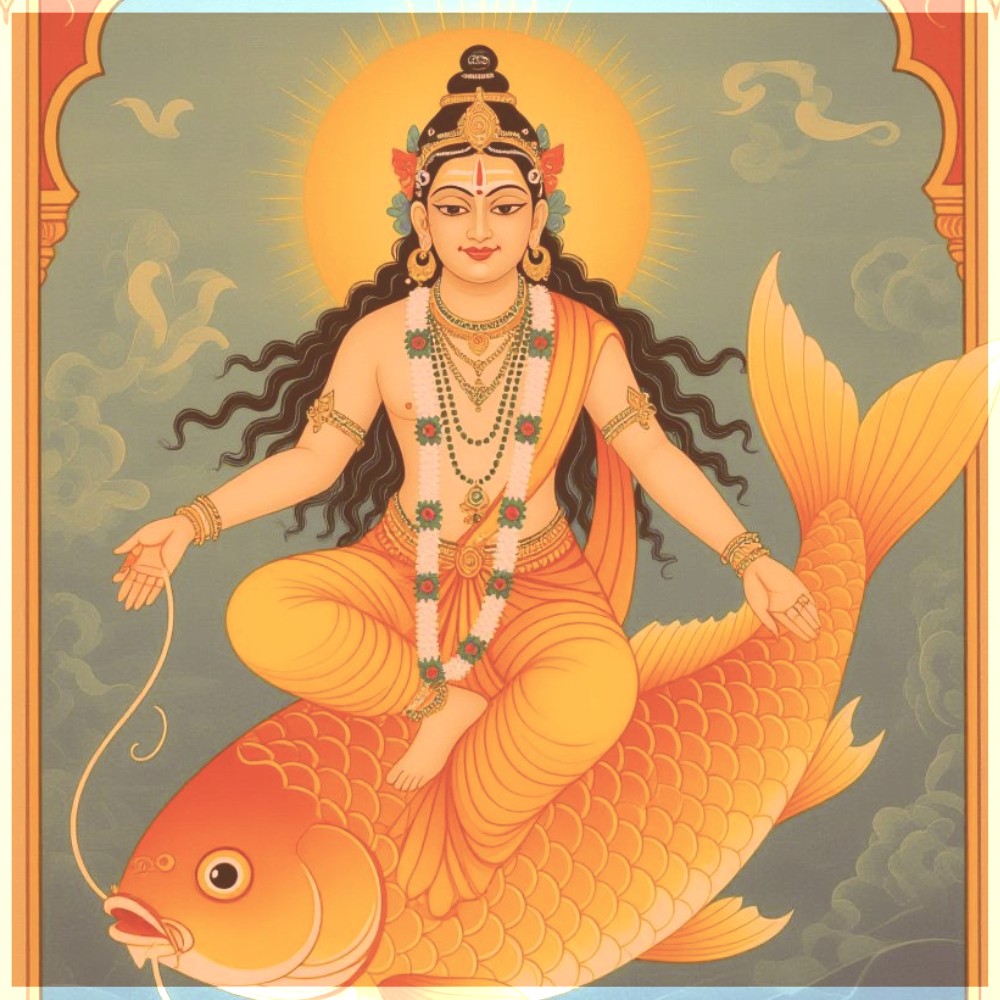
The Fish in Yoga – Matsyendra Natha
The story of Matsyendra The following story is from the Caturaśīti-Siddha-Pravṛitti or The Life Stories of the Eighty-Four Siddhas by Abhaya Datta. At some distance from the land of Kāmarūpa, a fisherman names Minapa lived on the shores of Ita Ocean. One day he sailed…

The Divine Mother’s Sādhana – a Kundalini Yoga Class with Bīja Nyāsa
Note: All exercises are illustrated by hand with a pen and written by Clemens Biedrawa. The Divine Mother’s Sādhana – a Kundalini Yoga Class for Transformation Some classes open the body. Some train the breath. And some do something else entirely: they lay a warm hand…

The Post-Classical Era: Matsyendra and Gorakṣa
The history of the origins of Hatha Yoga: how the fisherman Matsyendra became Matsyendra Nātha , and how his disciple Gorakṣa founded what is now known as Hatha Yoga .

The Tantras (Āgamas)
The nine schools of Tantra, their contribution to modern Hatha and Kundalini yoga, and Abhinava Gupta, the author of the *Tantrāloka*.
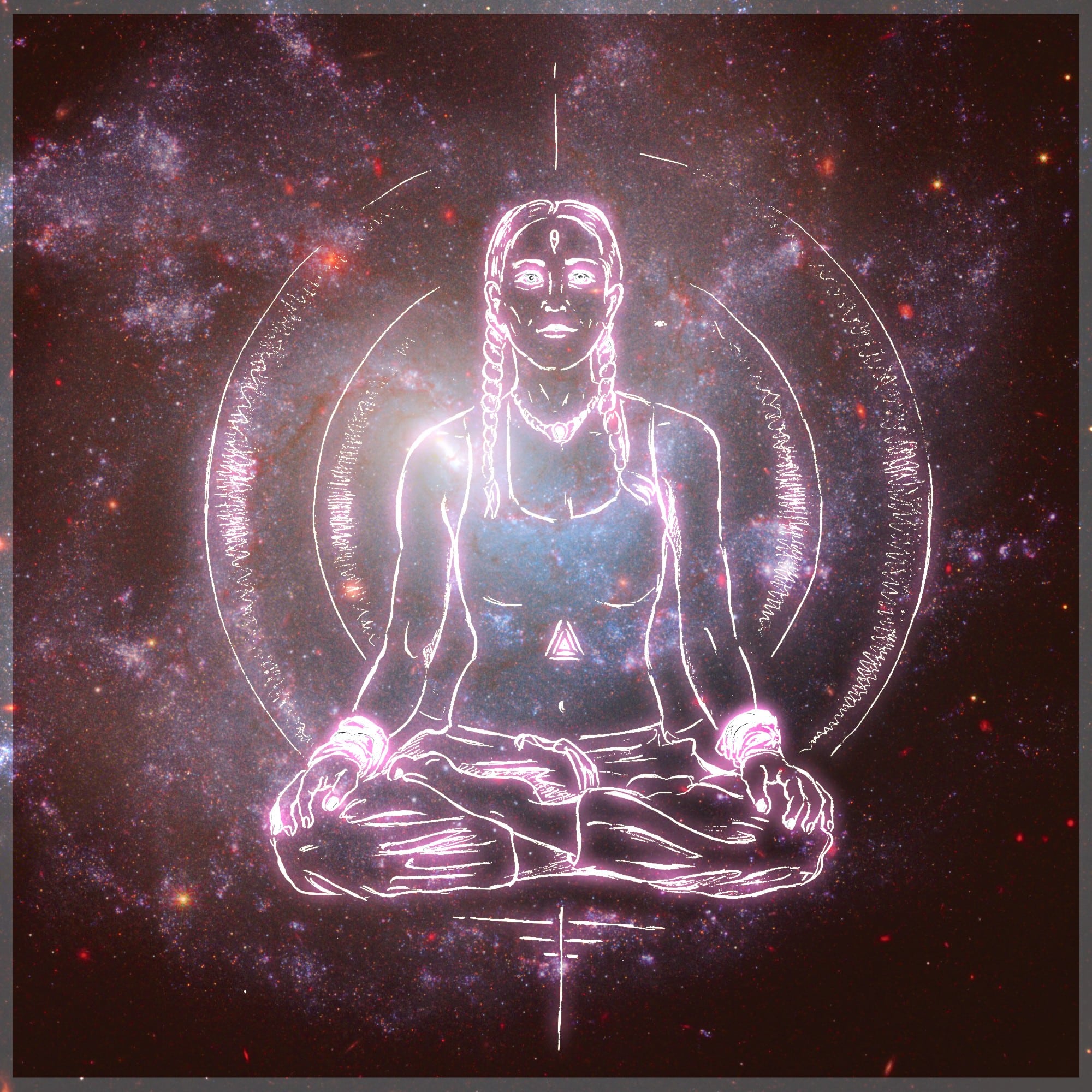
Pavanmuktāsana 3 – The Śakti-Bandha-Series in Kundalini Yoga
Pavanmuktāsana 3, the Śakti-Bandha series, releases energy blockages and activates apāna—the force that flows downward through the hips, abdomen, and legs. Ten dynamic exercises, ranging from tug-of-war to chopping wood, with full illustrations, plus the five Vāyus and Swami Satyananda’s yoga system.
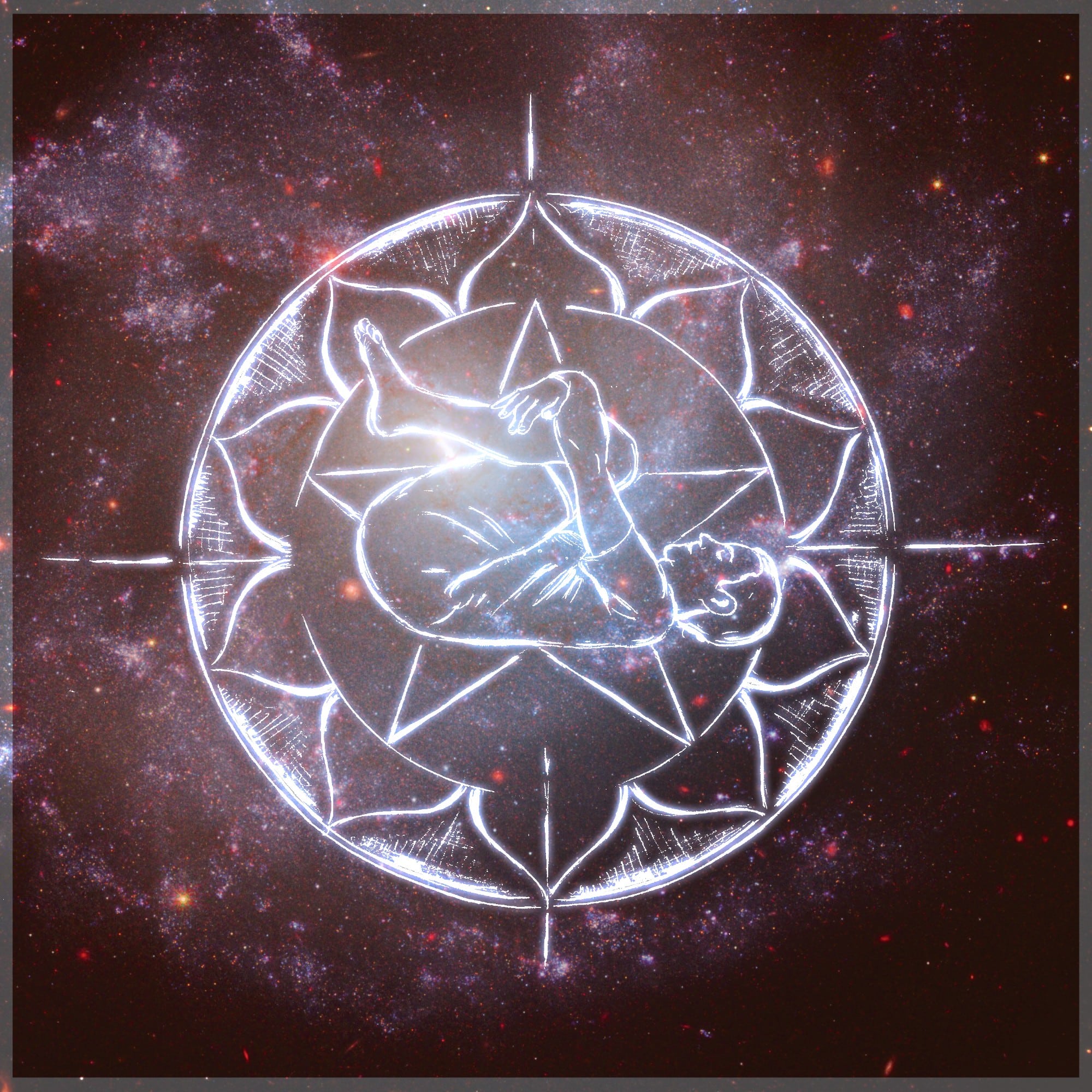
Pavanmuktāsana 2 – the Abdominal Series in Kundalini Yoga
Pavanmuktāsana 2, the udarapoṣaṇa series, works with the abdomen, digestion and the navel centre – and so with willpower and self-confidence. Ten exercises lying down, with all the illustrations, plus the story of sūkṣma vyāyāma, Dhīrendra Brahmacārī and his trail into Western Kundalini Yoga.
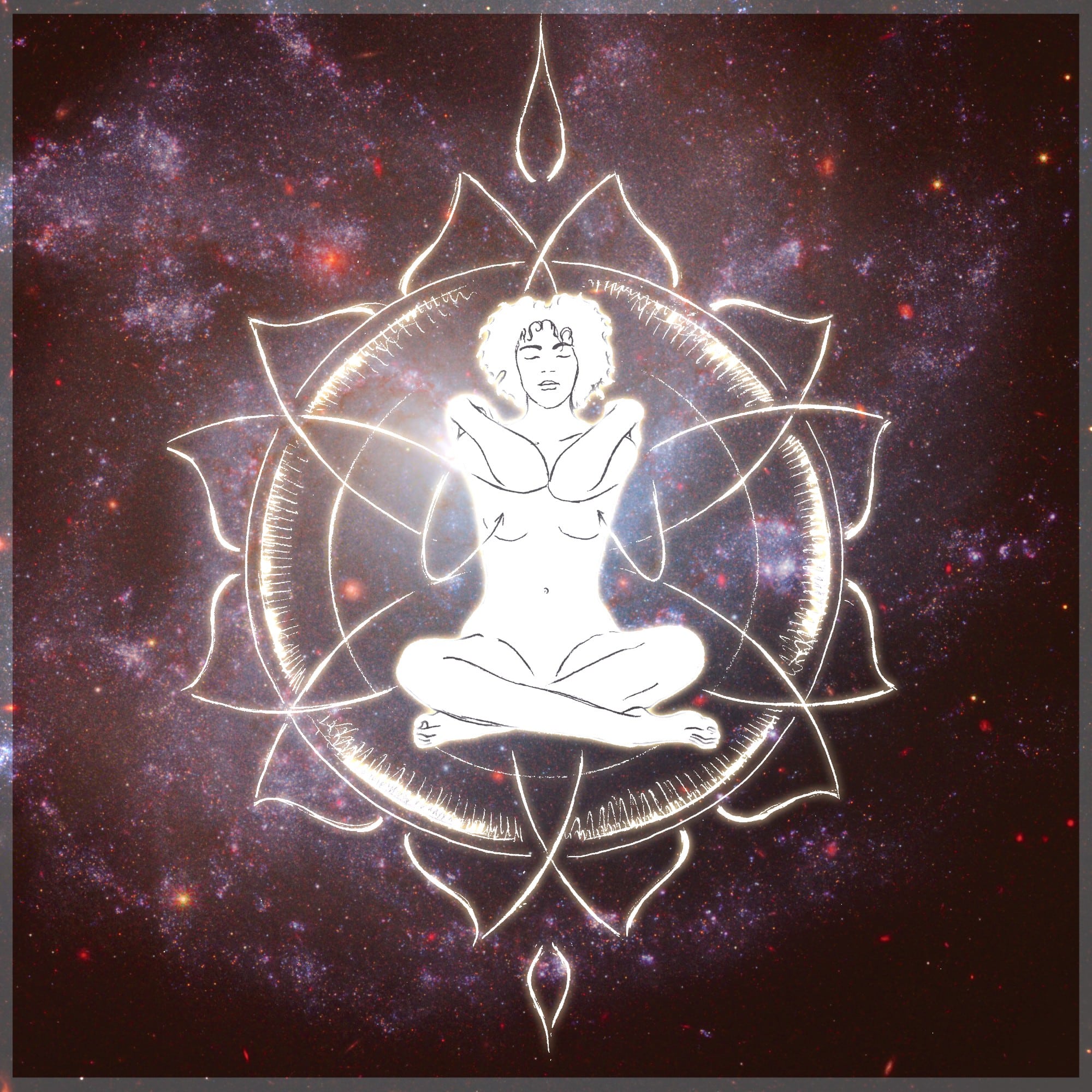
Pavanmuktāsana 1 – The Joint Series in Kundalini Yoga
Pavanmuktāsana 1 is the anti-rheumatism series of sūkṣma vyāyāma—21 subtle exercises from the toes to the neck that release energy blockages and awaken the flow of prāṇa along the spine. Includes all illustrations, breathing instructions, and the story behind Swami Satyananda and the Bihar School of Yoga.

Mark Dyczkowski: The Path He Stood For
The Path of understanding Yesterday was Markiji’s birthday. Our beloved teacher, Mark Dyczkowski. We met, his community, those people who were close to him and those who loved him. I want to take this occasion to write some words about him and his teachings. For…

The Classical Era of Yoga: Patañjali’s Yoga Sūtras
Patañjali’s Yoga Sūtras, the eight limbs of yoga and the Upanishads — how yoga became a system in the classical era.

The Pre-Classical Era: Śramaṇas and the Bhagavad Gītā
The Śramaṇa ascetics, the four paths of the Bhagavad Gītā and the Yogācāra Buddhists — how the pre-classical era shaped everything that came after.

Roots of Yoga: Etymology and Earliest Origins
What does “yoga” literally mean, and where do its oldest roots lie? From the chariot metaphor through the Ṛgveda to the first mention of prāṇāyāma in the Bṛhadāraṇyaka Upaniṣad.
Knowledge
Keep exploring
Yoga & Philosophy The History of Yoga The Chakras Kriyās and Classes Books Downloads