ANĀHATA Chakra
The yogi who listens to the sound within the heart—which is like a rushing river with no beginning and no end—will bathe in this sound, which is one with God (śabda-brahmaṇi), and attain the highest state.
Vijñāna-Bhairava-Tantra (38)

THE Seat of the Soul
From the very center of being, a sound rises—the sound of your existence, the sound of all things. It is the symphony of life, in which every note reflects your suffering, but also your joy.
This music captures the essence of what is; it spans everything from life to death, and from death to eternal existence.
Anāhata, which means “unstruck” or “undefeated,” refers to that which exists without a cause—like the sound of a single clapping hand or the string of a musical instrument that rings out without having been plucked. It is Being that exists of its own accord, without needing any external input. Anāhata lives simply because it has always lived. It is eternal Being, the seat of the soul.
Existence first manifests as a point (bindu) and then as nāda (primordial sound). Anāhata is the place where nāda can be perceived as nāda anāhata (the sound of the heart). This sound has neither beginning nor end. It is a reflection of the Divine and is Oṃ, the eternal sound—the inner mantra of the heart.
This nāda anāhata, or Oṃ, is Śabda-brahman, the Divine in the form of sound. For what is the world but the symphony of God’s body? You yourself are a melody that life composes through you. Brahman, the Divine, is one with ātman, the individual soul. Because of this unity of ātman and Brahman, ātman itself resides in the heart and burns there like a flame that never flickers or smokes. This flame, called akhaṇḍa jyoti, burns like sound, without beginning or end.
What has no end cannot be defeated. It can neither be taken nor given. It exists without any conditions, forever and ever.
This is the source of unconditional love that shines upon the world, regardless of who steps into its light. It is the source of beauty that radiates from the world and dwells in the hearts of all beings.
The heart is that place that lies between heaven and earth. From its center, it looks up into the universe and recognizes its eternal nature, yet at the same time it looks down upon life and recognizes in it the finitude and suffering of all things.
The symphony that resounds from the heart is therefore both tragic and beautiful. Those who enter the space of the heart can feel that sadness which is permeated with joy. Only those who can share in the suffering of others develop compassion. Deep at the core of this compassion lie tears of joy, and a weeping in which joyful beauty resides.
Anāhata is also the seat of vijñānamaya kośa, the body of knowledge. This knowledge differs from that produced by mānas and the senses. Vijñāna (which means consciousness, insight, or discrimination) refers to the knowledge that arises from a state of mindfulness. It is the sum total of all insights one possesses regarding the nature of reality.
Thus, vijñāna encompasses the beliefs one holds about the nature of reality (e.g., that the world is a place to give love or acquire wealth). With regard to the specific form of the personality, this knowledge crystallizes into moral guidelines or religious beliefs. This is where all the deep structures of faith and beliefs about the nature of the divine lie.
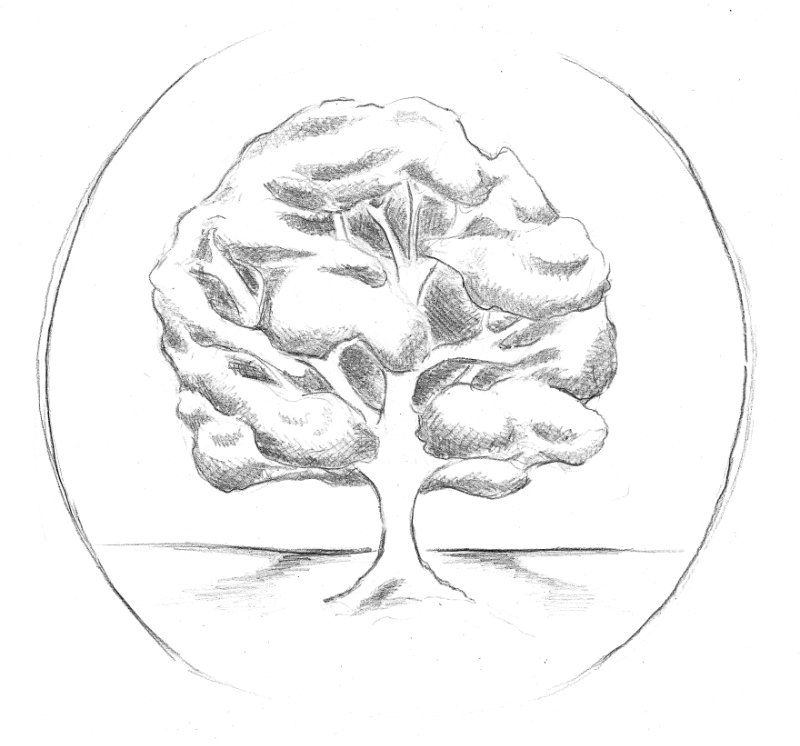
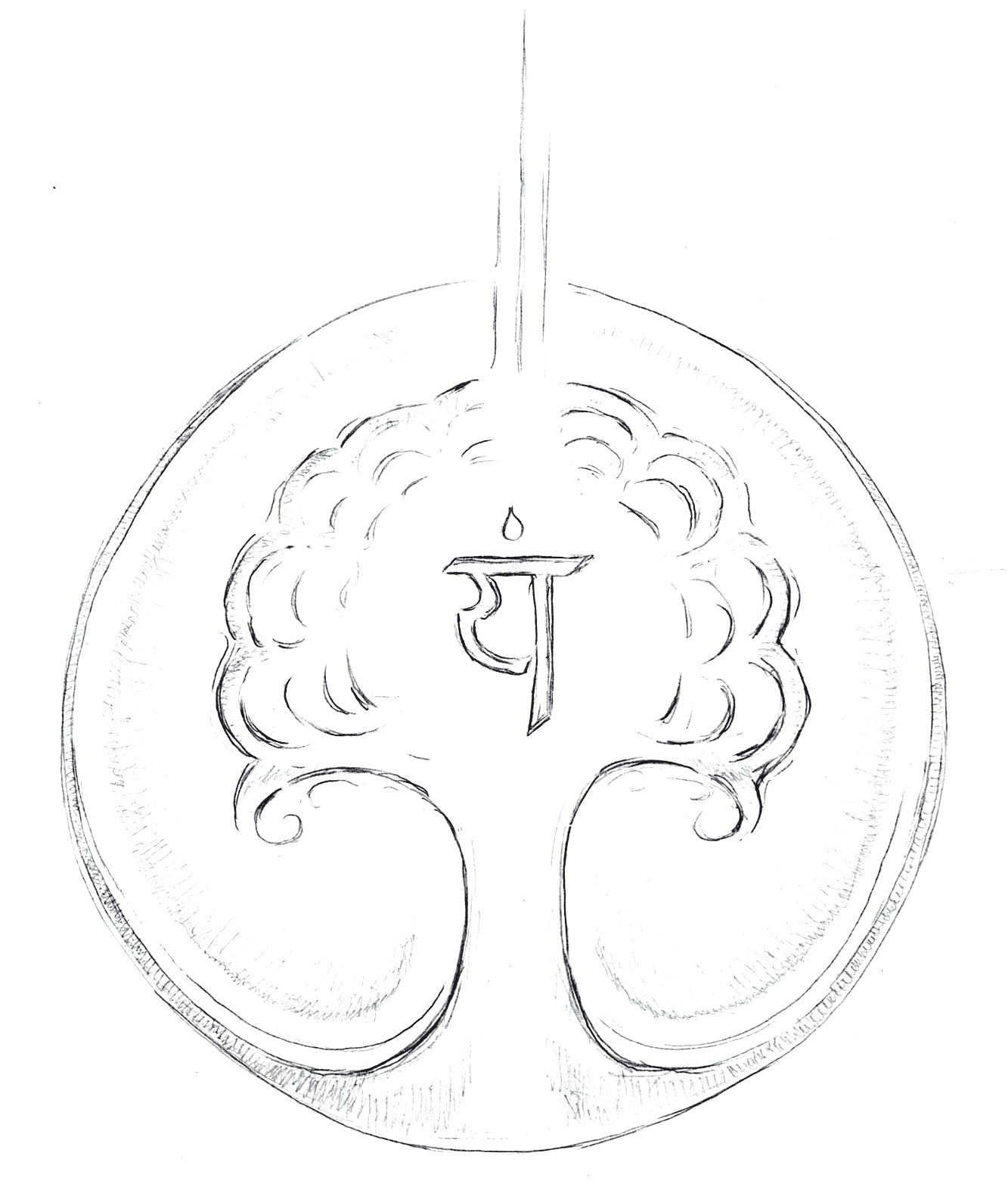
In this way , the kalpataru— the wish-fulfilling tree—grows within anāhata, because every deep belief must become your reality. Thus, reality flows forth from the depths of the heart.
Just as the heart is the seat of vijñānamaya kośa— the body of true knowledge—on the individual level of your being, so too is the heart the seat of jñānaśakti —the power of true insight—on the cosmic level.
Jñāna is true knowledge that transcends personal consciousness, or vijñāna. Related to the Greek word gnō̂sis, it shares the same root and refers to insight into the nature of God.
Jñānaśakti is that cosmic power that knows what is real and can distinguish between falsehood and truth. For the heart knows why life is meaningful, why good is right and evil is wrong.
Jñānaśakti is that inner knowledge in which this truth becomes clear. At the heart of jñānaśakti shines the one cosmic love.
May Parāparā (Jñānaśakti), the pulsating, radiant spark of knowledge that has burned away the threefold bondage with her blazing rays of light, have the power to uproot everything that contradicts the truth.
Tantrāloka (Dr. Mark S. G. Dyczkowski)
FEATURES
Balanced:
Knowing God is loving God. Joy, openness, clear and candid speech, creativity, a wordless understanding of the deeper meaning of life, an appreciation for the beauty of life and death, compassion. A willingness to trust and let go. Deep breathing, a long life, and vitality well into old age.
Unbalanced:
Cruelty, nihilism, totalitarian tendencies, arrogance, narrow-mindedness, difficulty opening up to new possibilities. Distrust of others. Shallow or irregular breathing. Short lifespan. Heart problems.
Meaning: The undefeated, the invincible
Mantra: Oṃ vāyu namaḥ, oṃ
Bīja element: Yaṃ, Air
Cosmic Aspect: Jñānaśakti —the Power of True Insight
Age: 21–28 years
Anatomy: At the center of the central vertical axis (suṣumnā). At the center of the chest.
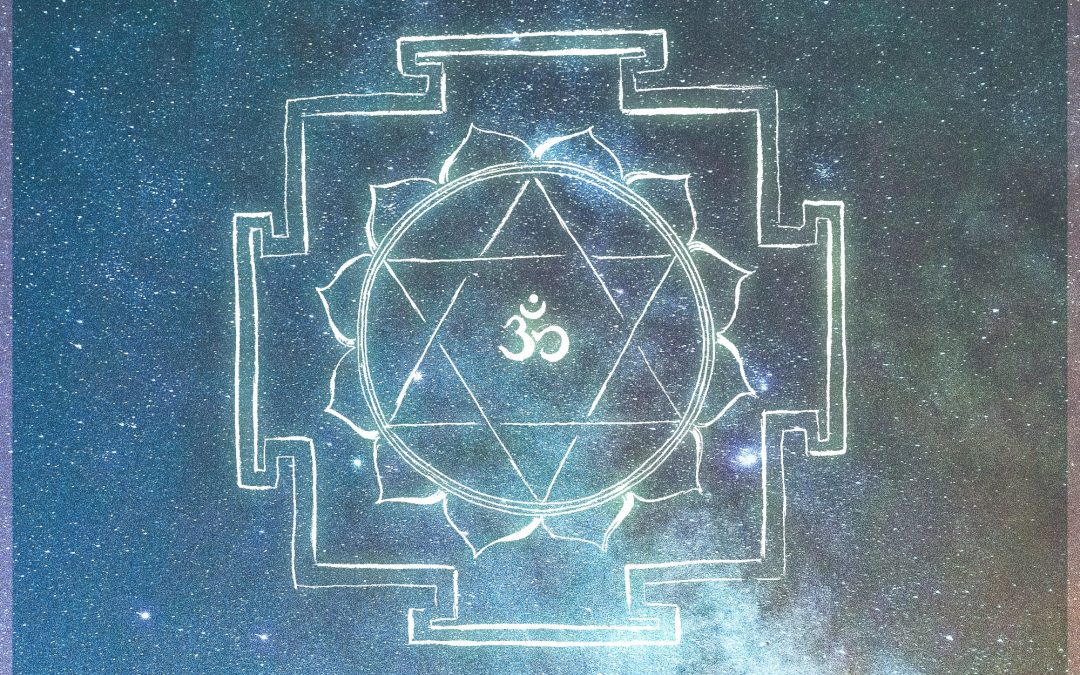
Symbolism: A lotus with 12 petals, two intertwined triangles, a flame without smoke.
Exercise for the Heart Chakra
Here in our download section, you'll find the "Anahata Kriya" exercise. This exercise is a way to honor and awaken the energy of the heart chakra.
All the exercises are hand-illustrated and lovingly designed. They will enrich and deepen your yoga practice. Come join us and practice with us! All the best!

Learn more about the chakras here
A journey through the chakras is a journey to yourself.
In this book, we also explore the roots of Kundalini Yoga and yogic anatomy, and we discover the secrets of the koshas, prana, and the Trinity of the Goddess.
These profound practices, visions and insights into yogic anatomy and chakras will inspire and enrich any yoga practice.

More Articles Weekly
We'll be posting new articles every week on the individual chakras, the koshas, and topics in yogic philosophy. Stop by or send us an email so I can add you to our newsletter mailing list.
Any questions? Just write to us!
In der Ausbildung vertiefen wir das
Die Chakren sind ein Kernthema unserer RYT® 200h Yogalehrer-Ausbildung in der Wachau. Wer bereits unterrichtet, geht in der RYT® 300h Ausbildung tiefer – oder besucht den YACEP® Chakra-Workshop.
Blog