
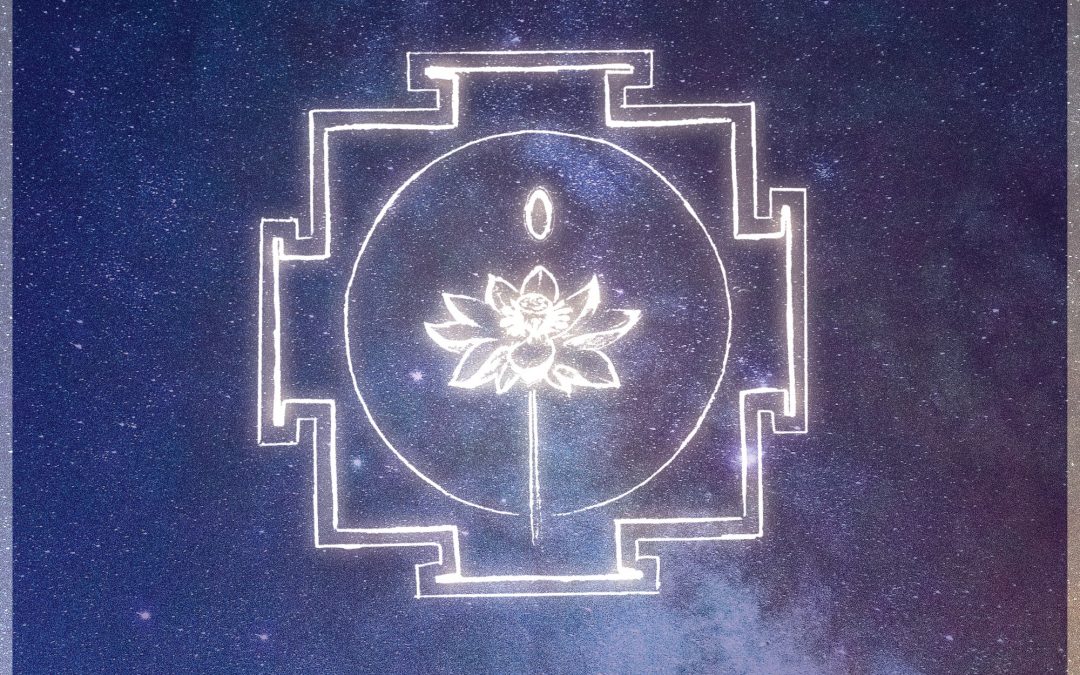
SAHASRĀRA Chakra
Within it lies the eternal realm known as the abode of Śiva, which is beyond time and space, free from māyā (illusion), accessible only to yogis, and known as Nityananda (ever in bliss). He is filled with every form of bliss and is pure knowledge.
Some call it Brahman; others call it Haṃsa. Sages describe it as the abode of Viṣṇu, and righteous men speak of it as the ineffable place of knowledge of the Ātman or the place of liberation.
Ṣaṭ-Cakra-Nirūpaṇa
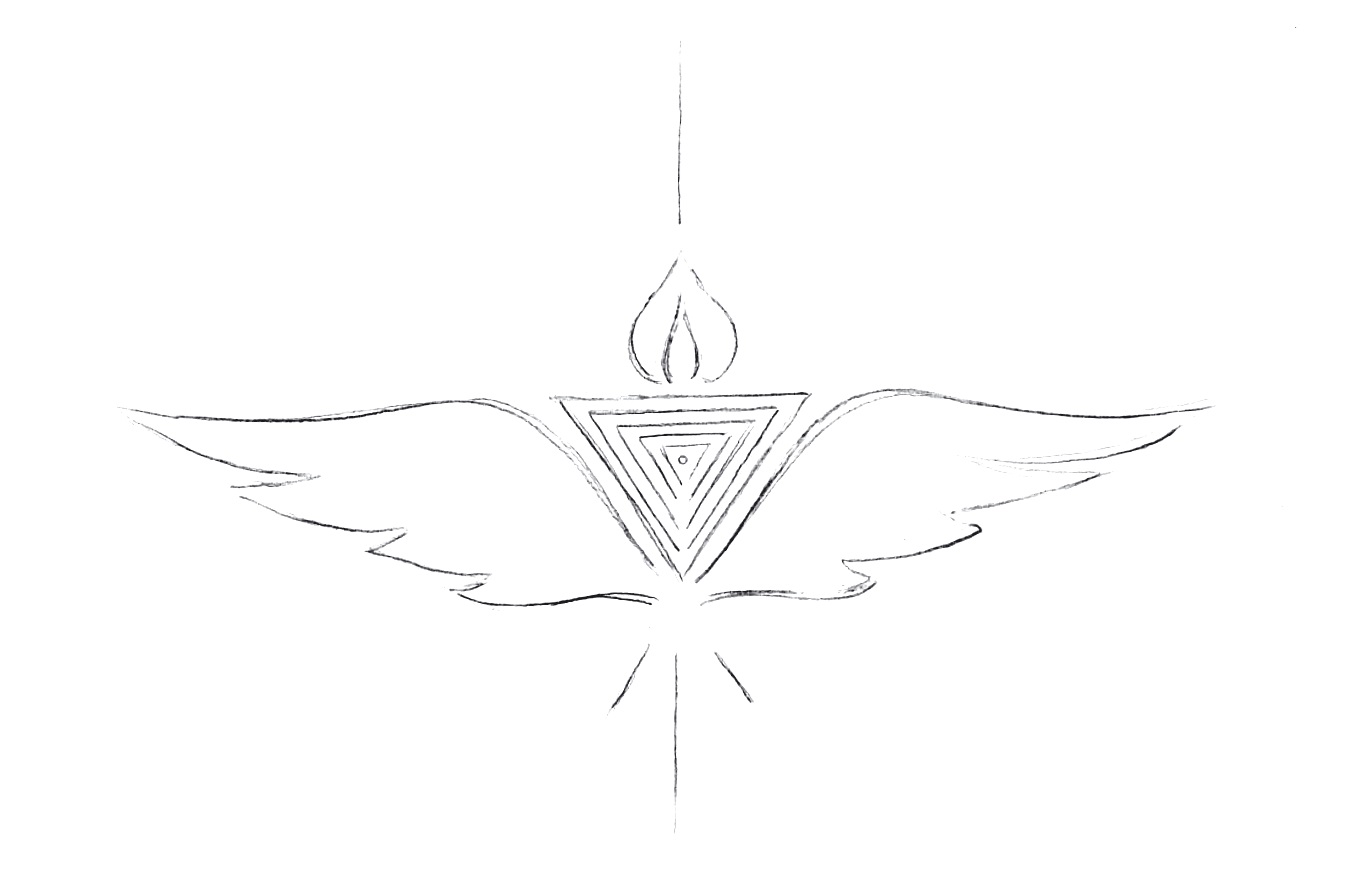
THE PLACE OF FREEDOM
Just as every beginning has an end, every journey has a destination. Sahasrāra is the place where all longing for fulfillment comes to an end. It is the place of peace and the state of oneness with the ultimate goal.
The ability to focus the mind for the purpose of meditation (dhāraṇā) and to control it is the power of viśuddha. However, unity with the object of meditation (dhyāna)—that is, absorption in it—is the power of ājñā. There, the limited self dissolves.
According to Patañjali, samādhi is the mystical state of being that follows this complete unity with the object of meditation. It is an insight into the nature of things, a step into the mystery of God.
Concentration focuses the mind on a single object. This is called dhāraṇā. When the entire stream of perception is one with this object, this is dhyāna.
When only the essential nature of the object shines forth, as if it were formless, samādhi has arisen.
Yoga Sutras (3:1–3)
Samādhi is the final of the eight limbs of yoga and thus the highest stage of yogic evolution. Sahasrāra also refers to this highest spiritual state. Therefore, the awakening of sahasrāra is nothing other than entering the state of samādhi.
Contemplation on true being is a journey, just like life itself. Whether conscious or unconscious, this journey is also a search for the mystery of existence. The chakras are precisely that journey through the self.
Each chakra is a place where one can perceive a part of the world’s power and the nature of reality. At the end of this journey through the vertical axis of the self—where consciousness slumbers and the chakras are strung like pearls on a thread—arises the mystical experience of unity with God, the Source, the Path, and the Goal.
In yogic philosophy, the world arises from the void, which creates all forms through māyā (illusion or Śakti). This energy (Śakti) lies dormant in mūlādhāra, in the material realm, and, once awakened, returns to its source in the formless.
Sahasrāra, which lies beyond time and space (and is thus both empty and full at the same time), is the state of consciousness that is the source of being. As such, Śakti finds her resting place in sahasrāra, the site of the ultimate union between energy and its greatest expansion, consciousness.
Sahasrāra can also be understood as the complementary or transformed energy of mūlādhāra. Mūlādhāra expresses the nature of human beings as matter. One of the most distinct characteristics of matter is its limitation in the dimensions of space and time.
Through this matrix of the material world, mūlādhāra is the gateway to life and thus to birth and form.
Sahasrāra, as the form of its transformed energy, is its eternal counterpart and therefore that which is timeless and spaceless, that which is without limitations and without form.
Therefore, sahasrāra is death and the unborn state of being, the state of transcendence.
FEATURES
Active: Silence
Meaning: A thousandfold
Mantra: Oṃ śrī ma, Oṃ Mahāsarasvatī namaḥ
Bīja Element: Śrī, Oṃ—Consciousness/Emptiness
Aspect of icchā Śakti: Eternal Earth—Mahā Sarasvatī
Age: 42–48 years
Anatomy: Above the crown of the head.
Symbolism: A lotus with 1,000 petals, a radiant white liṅga.
Chakra Exercise
Here in our download section, you'll find exercises for all the chakras.
All of the exercises are hand-illustrated and lovingly designed. They will enrich and deepen your yoga practice. Stop by and practice with us! All the best!

Learn more about the chakras here
A journey through the chakras is a journey to yourself.
In this book, we also explore the roots of Kundalini Yoga and yogic anatomy, and we discover the secrets of the koshas, prana, and the Trinity of the Goddess.
These profound practices, visions and insights into yogic anatomy and chakras will inspire and enrich any yoga practice.

More Articles Weekly
We'll be posting new articles every week on the individual chakras, the koshas, and topics in yogic philosophy. Stop by or send us an email so I can add you to our newsletter mailing list.
Any questions? Just write to us!
Where we go deeper in the training
The chakras are a core subject of our RYT® 200h Yoga Teacher Training in the Wachau, Austria. If you already teach, go further in the RYT® 300h Training – or join the YACEP® Chakra Workshop.