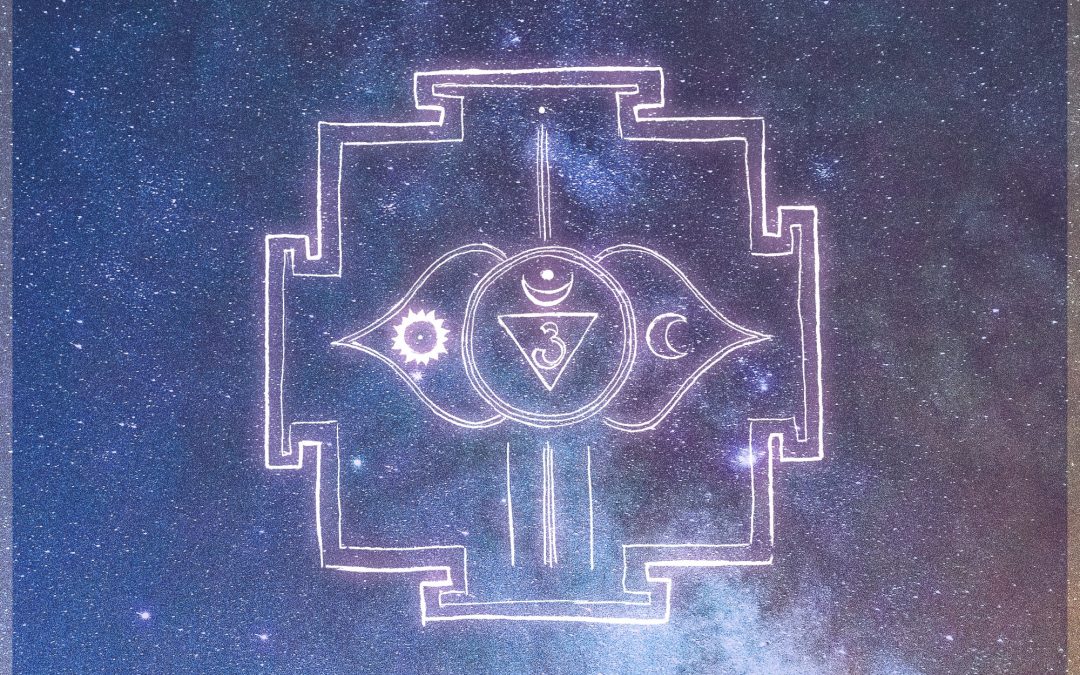
ĀJÑĀ Chakra
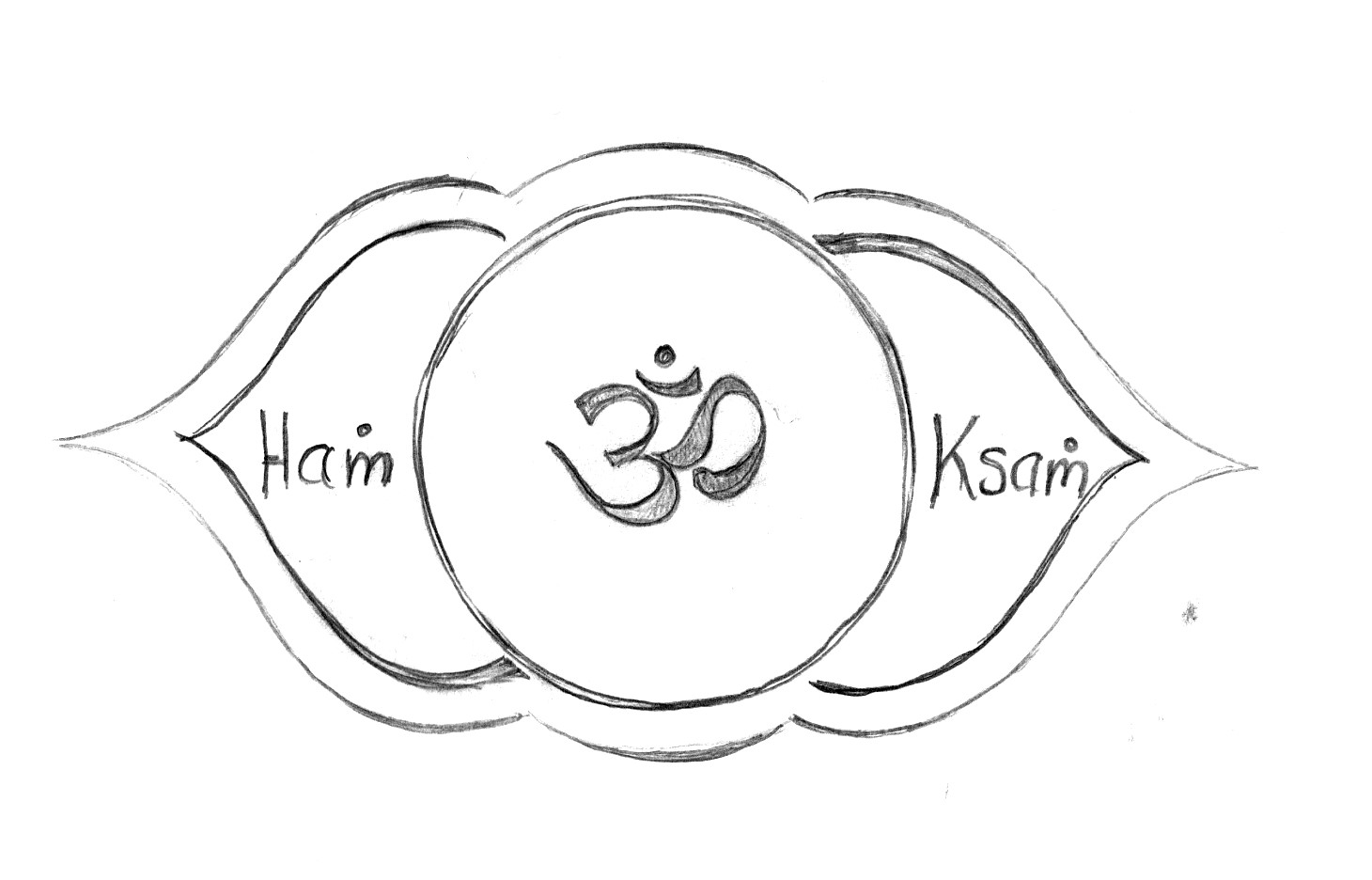
The lotus called Ājñā is like the beautiful white moon. On its two petals are the syllables Ha and Kṣa, which are also white and enhance its beauty.
It radiates with the radiance of meditation (Dhyāna).
Ṣaṭ-Cakra-Nirūpaṇa
THE ENDLESS MYSTERY
Ājñā means “the command” and is the place where the will of reality becomes visible; from there, the world commands its own existence.
It is a place of unity where one’s own will and the will of the world become one. When one’s own will becomes one with that of the world, the path to right living and action becomes clear. The insight into how one should live and act is the ideal—and thus divine—path, and in a certain sense, the divine commandment.
However, this commandment is not one that God demands or pronounces. It is simply the way things are. The world dictates this “way of being.” It is more compelling than any will or desire; what is, is always as it is.
Reality speaks for itself through its very existence; it needs no words.
Ājñā is a state of meditative trance in which one penetrates into absolute emptiness as the source of all existence. This emptiness is ecstatic; it is not only pure emptiness (śūnyatā) but also total fullness (pūrṇatva). By fully embracing that which is nothing at all, what everything truly is becomes visible. For all being is completely contained within non-being.
Only when you are completely still can you truly hear what the world has to say; when you are ready to die, you are ready to truly live.
The deeper one goes into emptiness, the greater the attraction to the highest fullness becomes. These two are connected, for the highest emptiness of the ājñā chakra is underpinned by an almost unbearable intensity of ecstasy. The joy of everything that will ever be, all desires that will ever be felt, all love that seeks to and will give birth to more love—all of this slumbers within the matrix of this supreme emptiness.
This dance—at once empty and full, ecstatic—is the ājñā chakra.
The world is shaped by the interplay of two currents—one that flows downward and one that strives upward. One is iḍā, the nourishing moon that flows down into manifestation, and the other is piṅgalā, the power of the sun that strives upward into the subtle realm. Ājñā is the gateway to these two forces, creation and dissolution. Ājñā is the explosion of all being from a single, dimensionless point (bindu). This explosion—the emergence of all things into being—is the ecstasy of ājñā, an orgasmic joy experienced during meditation on ājñā.
Ājñā is described as Vārāṇasī, or Benares, the city situated between India’s two sacred rivers. These rivers represent the waters of light and darkness that flow down from the sacred mountains. This metaphor stands for iḍā and piṅgalā, the two rivers that flow down from the one suṣumnā— the sacred mountain and central channel of consciousness.
Ājñā lies between these two rivers and is thus the space free from the influences of iḍā (the inner mind) and piṅgalā (outer objectivity). These two forces represent the sensory world, life and death, and all the elements contained within them. Ājñā is thus the place where duality ends— the end of death and also of birth.
When the entire world dissolves into meditation, the Self becomes absorbed in the world. Then the Self dances joyfully away. This meditative absorption in the Ultimate is unity; it is dhyāna. It is the death of what one desires, in order to truly live as what one is.
To be empty of oneself, yet filled with true being.
At the point where the nadis converge at ājñā lies rudragranthi, which is transcended by the power of icchāśakti —the supreme will. Rudragranthi is the place of attachment to the Self. This attachment can only be overcome if its dissolution is an act of joy. How could one ever let go if one did not know that one is held by the hand of God?
Deep down, we know that joy is our true nature. Dissolving into joy and letting go, therefore, means entering into a greater state of being. It is not the destruction of the self; it is its expansion into a greater form. Joy is its home.
Therefore, in the presence of this gift, the limited self dissolves without resistance. This eternal joy is like the cosmic water from which all things spring, and symbolizes the orgasmic source of the world. It is personified by Mahā Lakṣmī, the one and eternal great abundance.
FEATURES
Active: Joy, knowing the unknown, recognizing the mystery, clairvoyance, ecstasy, indifference to everything. Spontaneous meditation.
Meaning: The command
Mantra: Oṃ, Oṃ Mahālakṣmī namaḥ
Element Bīja: Energy (Haṃ/Kṣaṃ)
Aspect of icchāśakti: Eternal Water— Mahā Lakṣmī
Age: 35–42 years
Anatomy: Behind the eyebrows, in the center of the skull/pituitary gland. Also called bhrūmadhya.
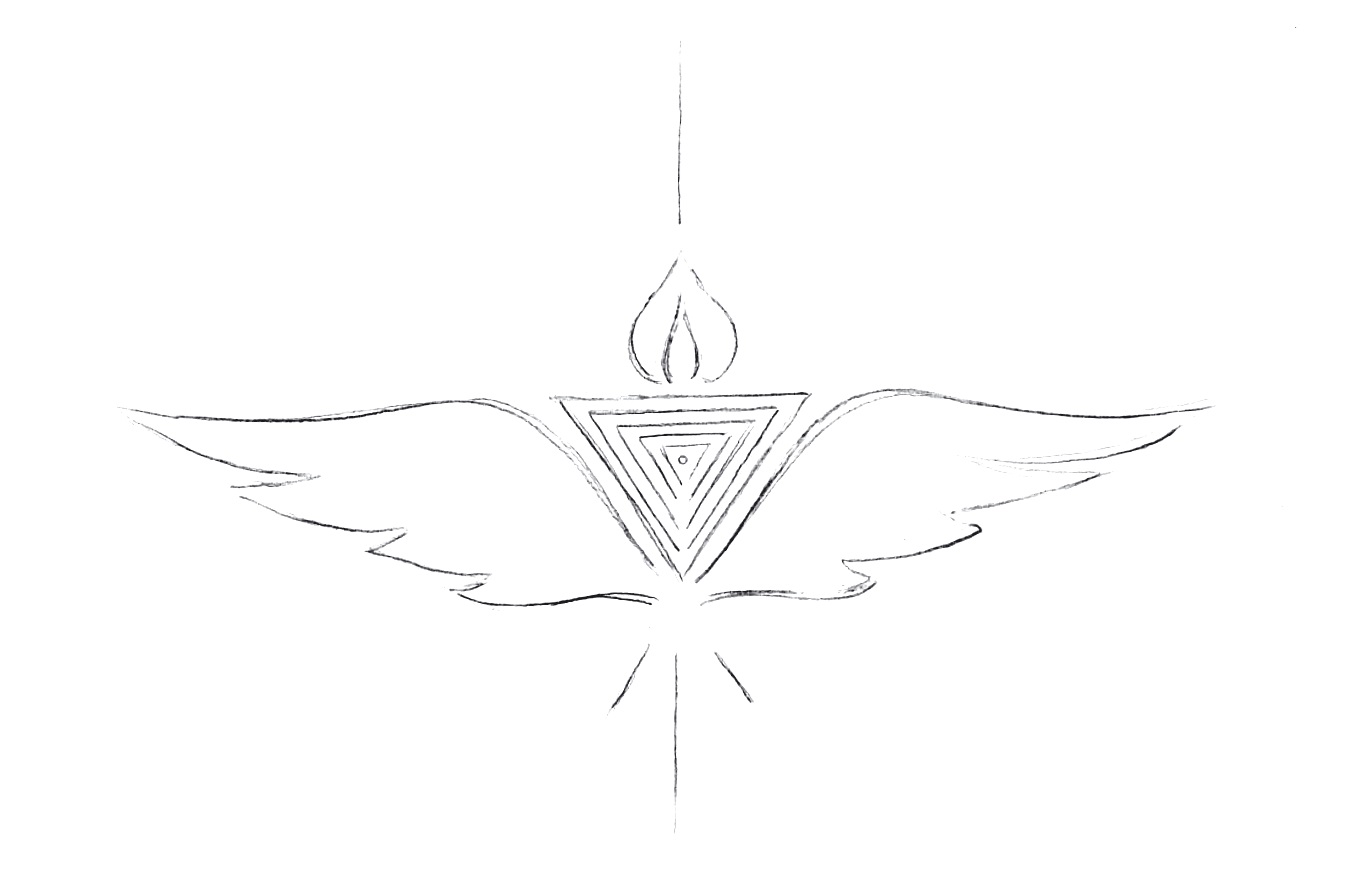
Symbolism: A white lotus with two petals, a silver disc, and a black liṅga.
Exercise for the Heart Chakra
Here in our download section, you'll find the "Anahata Kriya" exercise. This exercise is a way to honor and awaken the energy of the heart chakra.
All the exercises are hand-illustrated and lovingly designed. They will enrich and deepen your yoga practice. Come join us and practice with us! All the best!

Learn more about the chakras here
A journey through the chakras is a journey to yourself.
In this book, we also explore the roots of Kundalini Yoga and yogic anatomy, and we discover the secrets of the koshas, prana, and the Trinity of the Goddess.
These profound practices, visions and insights into yogic anatomy and chakras will inspire and enrich any yoga practice.

More Articles Weekly
We'll be posting new articles every week on the individual chakras, the koshas, and topics in yogic philosophy. Stop by or send us an email so I can add you to our newsletter mailing list.
Any questions? Just write to us!
In der Ausbildung vertiefen wir das
Die Chakren sind ein Kernthema unserer RYT® 200h Yogalehrer-Ausbildung in der Wachau. Wer bereits unterrichtet, geht in der RYT® 300h Ausbildung tiefer – oder besucht den YACEP® Chakra-Workshop.
Blog